Modern Arched Silver Glass Wall Clock with Roman Numerals (35″ x 20″)
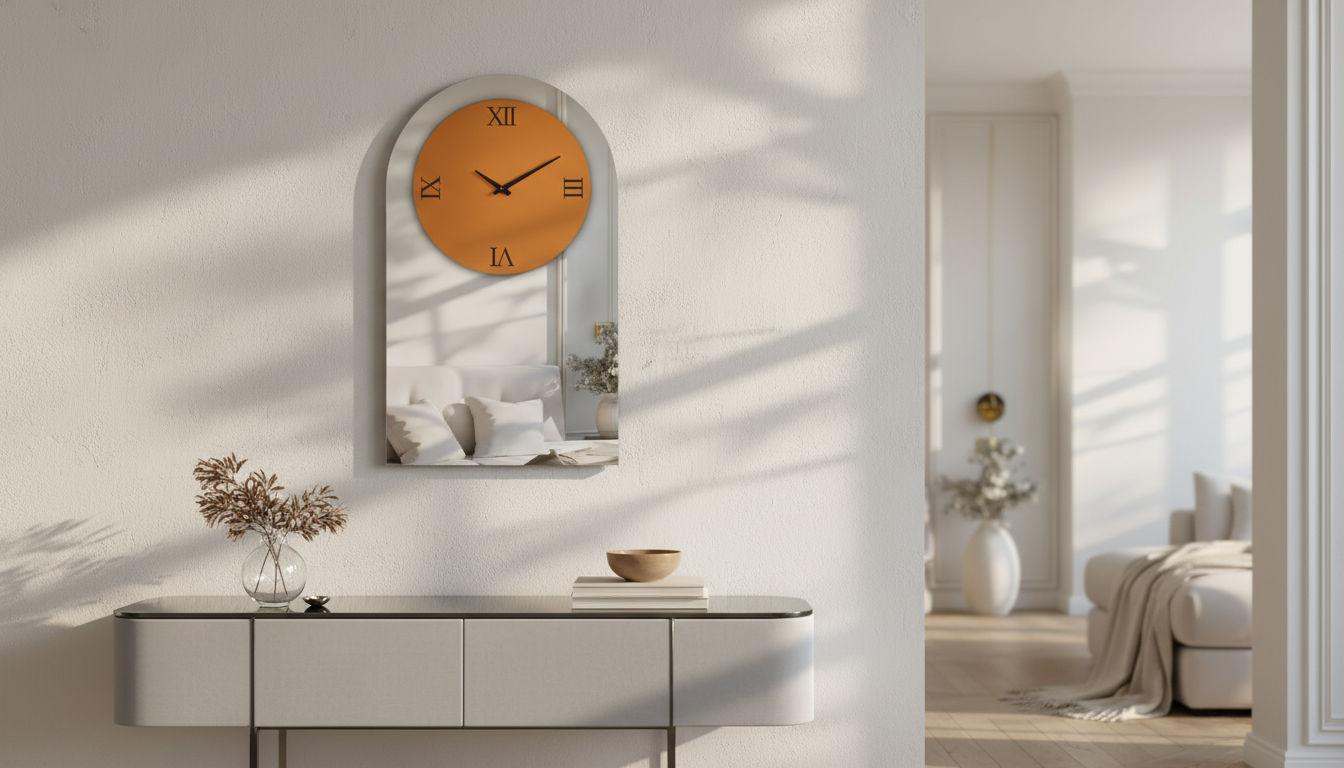
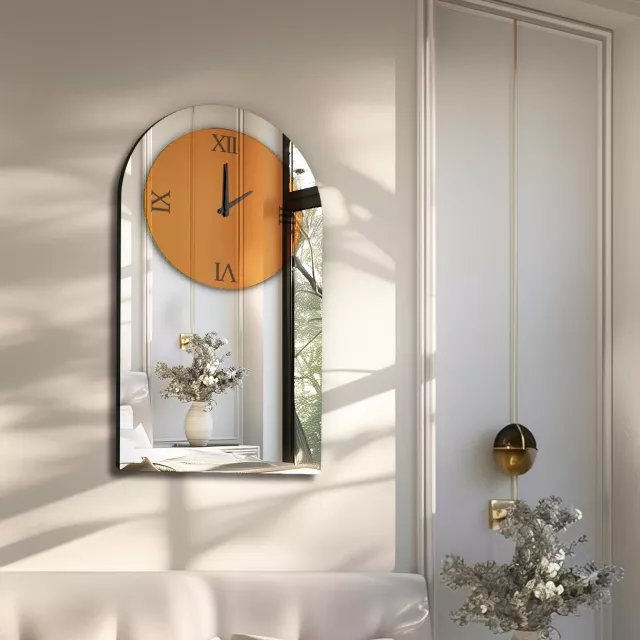
A large arched wall clock can function as both timepiece and focal décor, especially when reflective glass and Roman numerals add contrast and clarity. This style suits contemporary spaces that still benefit from classic cues—clean lines, bright metallic tones, and an architectural silhouette that reads well from across the room. The arched top introduces a soft curve that feels built-in, while the silver mirrored finish helps bounce light around the room for a brighter, more open look.
At-a-Glance Features
- Arched silhouette adds an architectural look that naturally draws the eye upward.
- Silver glass finish reflects ambient light, helping brighten darker corners and visually expand small spaces.
- Roman numerals create a classic face layout that complements both modern and transitional interiors.
- Large format (35″ x 20″) works best as a statement piece rather than a small accent clock.
Quick Details
| Detail |
Specification |
| Product |
Modern Arched Silver Glass Wall Clock with Roman Numerals |
| Size |
35″ x 20″ |
| Primary look |
Silver mirrored glass, arched top |
| Numerals |
Roman numerals |
| Availability |
In stock |
Where This Clock Looks Best
- Living room focal wall: Place above a console or mantel where the arch can echo nearby doorways or windows. The reflective glass also plays nicely with layered lighting from lamps and sconces.
- Entryway: Helps create a polished first impression. A mirrored surface pairs naturally with slim lighting, metal trays, and a clean-lined runner.
- Dining room: Balances long walls and pairs neatly with metallic finishes like chrome, nickel, and stainless steel. It can also serve as a subtle “anchor” if the room has minimal artwork.
- Home office: Adds an easy-to-read time reference while keeping décor structured. The arched shape feels intentional above a credenza or bookshelf without adding visual clutter.
Sizing and Placement Guidelines
- For a 35″ x 20″ clock, aim for a wall area that allows at least 6–10 inches of breathing room around the frame so the arch remains visually distinct.
- Above furniture, a common guideline is to choose wall décor about 2/3 to 3/4 the width of the piece below it (for example, a 48–60 inch console).
- Hang so the clock face is readable at standing height; many rooms look balanced when the center of the clock sits roughly 57–60 inches from the floor, adjusted for nearby furniture.
- Avoid placing directly opposite strong glare (unshaded windows or spotlights) if reflections reduce readability at certain times of day.
If you’re unsure, outline a 35″ x 20″ rectangle with painter’s tape and live with it for a day. This quick test helps confirm scale, especially in narrow entryways and compact dining spaces.
Styling Ideas: Modern Meets Classic
- Monochrome layering: Pair silver glass with white, charcoal, and black décor to keep the look crisp and contemporary. A matte black console beneath it can make the mirrored finish pop.
- Warm contrast: Add walnut, oak, or tan textiles to soften the cool metallic tone and make the Roman numerals feel more traditional. A woven basket or warm wood picture frames nearby keep the space from feeling too icy.
- Gallery wall anchor: Use the clock as the centerpiece and surround it with smaller frames. Keep frames thin and metallic to match, and vary art sizes so the clock remains the dominant shape.
- Symmetry play: Flank the clock with matching sconces or tall vases to emphasize the arched geometry. Symmetry works especially well in entryways and dining rooms where “formal balance” feels natural.
Roman numerals have a long design history and tend to read as timeless even when the surrounding materials are modern. If you’d like a quick refresher on how Roman numerals work, see Encyclopaedia Britannica’s overview of Roman numerals.
Care and Long-Term Use
- Dust with a dry microfiber cloth to keep the glass looking clear and reflective.
- For smudges, use a gentle glass cleaner sprayed onto the cloth (not directly onto the clock) to avoid seepage into edges.
- Position away from high-humidity zones to help maintain a consistent finish and reduce frequent cleaning.
- Check mounting hardware occasionally and confirm the clock remains level—arched tops can make slight tilts more noticeable.
For general best practices around preserving and cleaning glass surfaces, the National Park Service guidance on caring for historic glass offers helpful, conservative handling tips that translate well to everyday décor.
What to Consider Before Buying
- Room lighting: Mirrored glass is most impactful in soft, layered lighting; in harsh direct light it may reflect hotspots.
- Wall color: Silver finishes pop on deep hues (navy, charcoal, forest green) and blend seamlessly into whites and light grays for a quieter look.
- Competing statement pieces: If the room already has a large mirror or oversized artwork, place the clock on a secondary wall to avoid visual crowding.
- Scale check: Measure the intended wall area with painter’s tape to confirm the 35″ x 20″ footprint feels balanced.
In-Stock Picks
FAQ
Is a 35″ x 20″ wall clock too large for an apartment?
It can work well if treated as a single statement piece on a clear wall (entryway, above a slim console, or on a dining wall). Use painter’s tape to map the size first and ensure there’s open space around it.
Do Roman numerals make a clock harder to read?
Most people adjust quickly. Roman numerals are easiest to read when the contrast between numerals and the face is clear and the clock is hung at a comfortable viewing height.
How should a mirrored or glass clock be cleaned without streaks?
Use a microfiber cloth, light pressure, and a small amount of glass cleaner applied to the cloth rather than the surface. Finish with a dry pass to remove residue.
Recommended for you









Leave a comment