HomeBlogBlog42-Inch Tow-Behind Lawn Sweeper: Faster Leaf Cleanup

42-Inch Tow-Behind Lawn Sweeper: Faster Leaf Cleanup

42-Inch Tow-Behind Lawn Sweeper: Faster Leaf Cleanup

Cleaner Yard Work Starts with a Tow-Behind Lawn Sweeper

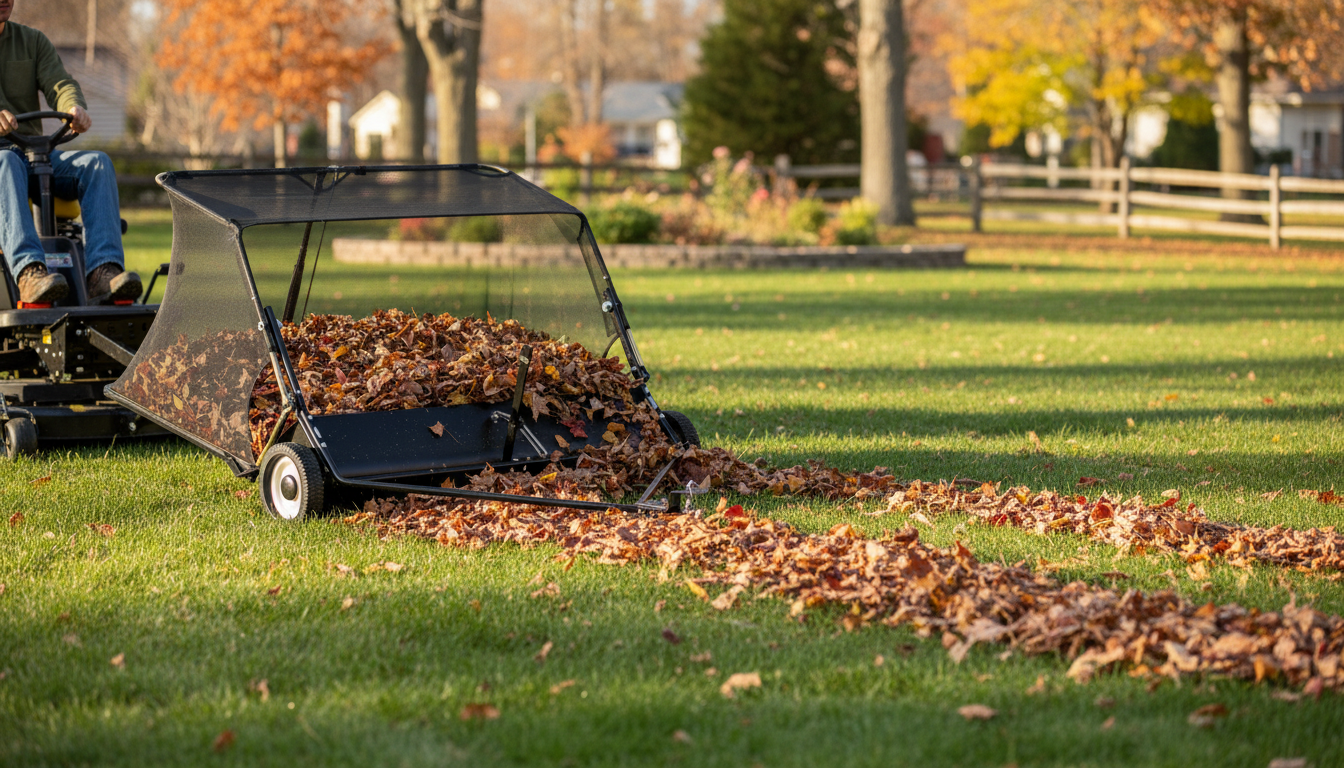
A tow-behind lawn sweeper gathers leaves, grass clippings, and light debris while a tractor or riding mower does the pulling. A 42-inch pickup path offers a practical balance of coverage and maneuverability for many residential yards, helping keep turf tidy without the repeated stop-and-rake routine.

When seasonal cleanup hits—especially during fall leaf drop—a sweeper can help you stay ahead of messy buildup that can smother grass and make mowing feel like a chore instead of routine maintenance.

What a tow-behind lawn sweeper does (and what it doesn’t)

  • Collects dry-to-lightly-damp leaves, grass clippings, small twigs, pine needles, and general lawn debris into a hopper.
  • Helps reduce buildup that can shade grass and contribute to thin spots when left for long periods.
  • Not a dethatcher or aerator: it won’t pull deep thatch layers or punch holes for soil compaction.
  • Performance depends on turf condition, debris type, and speed—slower passes usually pick up more.
  • Works best after mowing or on a dry day when debris is less likely to clump.

Leaf litter management matters for turf health and for keeping nutrients cycling the way you intend—whether that means mulching some leaves or removing heavier layers. For practical guidance on leaf handling, see the University of Minnesota Extension’s leaf management notes. If the goal is to address spongy turf or mower “bounce,” a sweeper won’t replace thatch control; Purdue’s overview explains what thatch is and why buildup matters.

Why a 42-inch sweeping width is a sweet spot

  • Covers ground faster than narrower sweepers while still fitting through many gates and around trees.
  • Pairs well with common riding mower deck sizes without feeling oversized in tighter areas.
  • Reduces the number of passes needed on medium-to-large lawns.
  • Typically easier to store than wider commercial-style sweepers.

For many homeowners, 42 inches lands in the “use it often” category: wide enough to feel efficient, but not so wide that turning around beds, playsets, or trunks becomes an ongoing annoyance.

Product spotlight: 42-Inch Tow Behind Lawn Sweeper

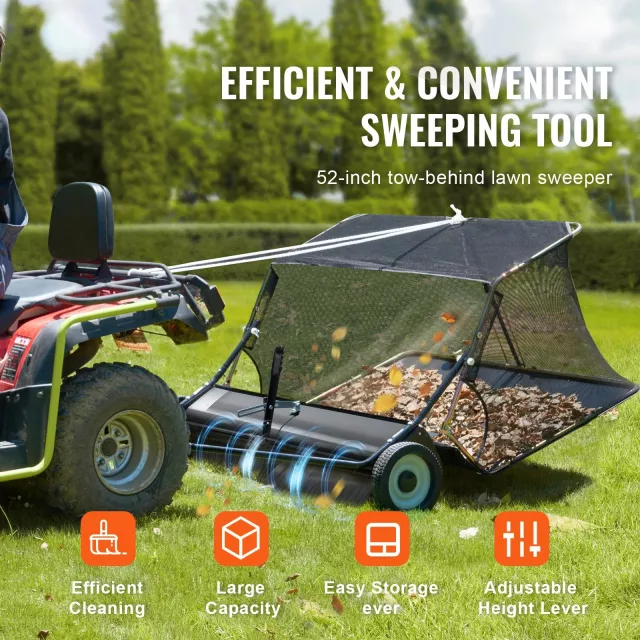
Built to trail behind a riding mower or lawn tractor, the 42-Inch Tow Behind Lawn Sweeper helps pull routine cleanup into the same rhythm as mowing. Instead of stopping to rake and bag every section, you can sweep debris into the onboard hopper and dump when needed.

  • Designed to be pulled behind a riding mower or lawn tractor to collect yard debris into an onboard hopper.
  • 42-inch pickup width supports efficient coverage for routine seasonal cleanup.
  • Suitable for regular maintenance after mowing and for fall leaf collection.
  • In stock and ready to ship from the product page.

Quick overview

Item Details
Model 42-Inch Tow Behind Lawn Sweeper
Sweeping width 42 inches
Category Garden Supplies
Availability In stock
Price 330.67 USD
Product page https://vestalle.com/42-inch-tow-behind-lawn-sweeper/

Key features to compare when shopping

  • Hopper capacity: Larger hoppers reduce stops but can add weight when full.
  • Dumping method: Look for a release system that’s easy to reach from the seat (or easy to operate off the mower).
  • Brush height adjustment: Helps tune pickup for uneven lawns, thicker grass, or heavier leaf layers.
  • Wheel and tire size: Larger wheels often track better across bumps and turns.
  • Hitch compatibility: Confirm it matches common lawn tractor hitch points and allows safe turning clearance.
  • Build and serviceability: Replaceable brushes and straightforward hardware simplify long-term upkeep.

Most “pickup complaints” trace back to setup: the brush height is off, the tow angle isn’t level, or the travel speed is too high for the debris load. A solid adjustment range makes it easier to dial in consistent results across seasons.

Setup and first-use checklist

  • Confirm hitch height and pin fit before the first tow; ensure the sweeper tracks level behind the mower.
  • Set brush height so bristles contact the turf lightly—too low can scalp and increase resistance.
  • Start at a moderate speed; if debris remains, slow down or overlap passes.
  • Empty the hopper before it’s overfilled to maintain pickup performance and reduce strain.
  • Avoid sweeping over large sticks, rocks, or wet piles that can jam brushes or add excessive load.

A good first session is a short “test loop” around the yard: sweep one lane, check what’s left behind, then adjust height and speed before committing to the whole property.

Tips for better pickup in leaves and clippings

Care, storage, and longevity

More in-stock finds

FAQ

Can a tow-behind lawn sweeper pick up pine needles and small twigs?

Yes for most pine needles and small twigs, especially when dry. Very long needles or larger sticks can reduce pickup efficiency or cause jams, so clear bulky debris first and sweep in slower, overlapping passes.

Is a 42-inch lawn sweeper too wide for a typical residential yard?

Usually not. It’s often a comfortable middle ground—wide enough to reduce passes while still maneuverable around trees and garden beds. Tight gates and narrow storage areas are the main constraints to measure before buying.

Should the brushes touch the ground when sweeping?

Light contact is ideal. Too high can miss debris; too low can increase drag and risk scalp marks. Adjust so the bristles flick debris up without digging into the turf.

Was this article helpful?

Yes No
Leave a comment
Top

Shopping cart

×