HomeBlogBlog73x23x30 Raised Wooden Planter Box with Divider & Drainage

73x23x30 Raised Wooden Planter Box with Divider & Drainage

73x23x30 Raised Wooden Planter Box with Divider & Drainage

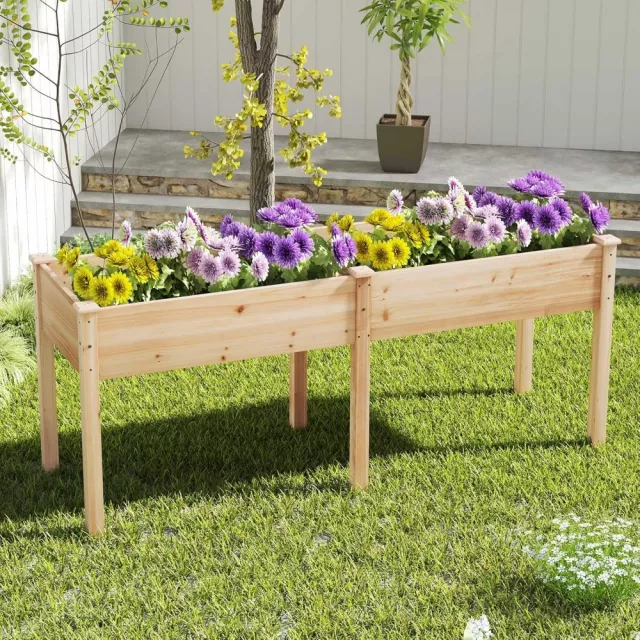
Raised Wooden Planter Box with Divider & Drainage (73″x23″x30″) for Outdoor Growing

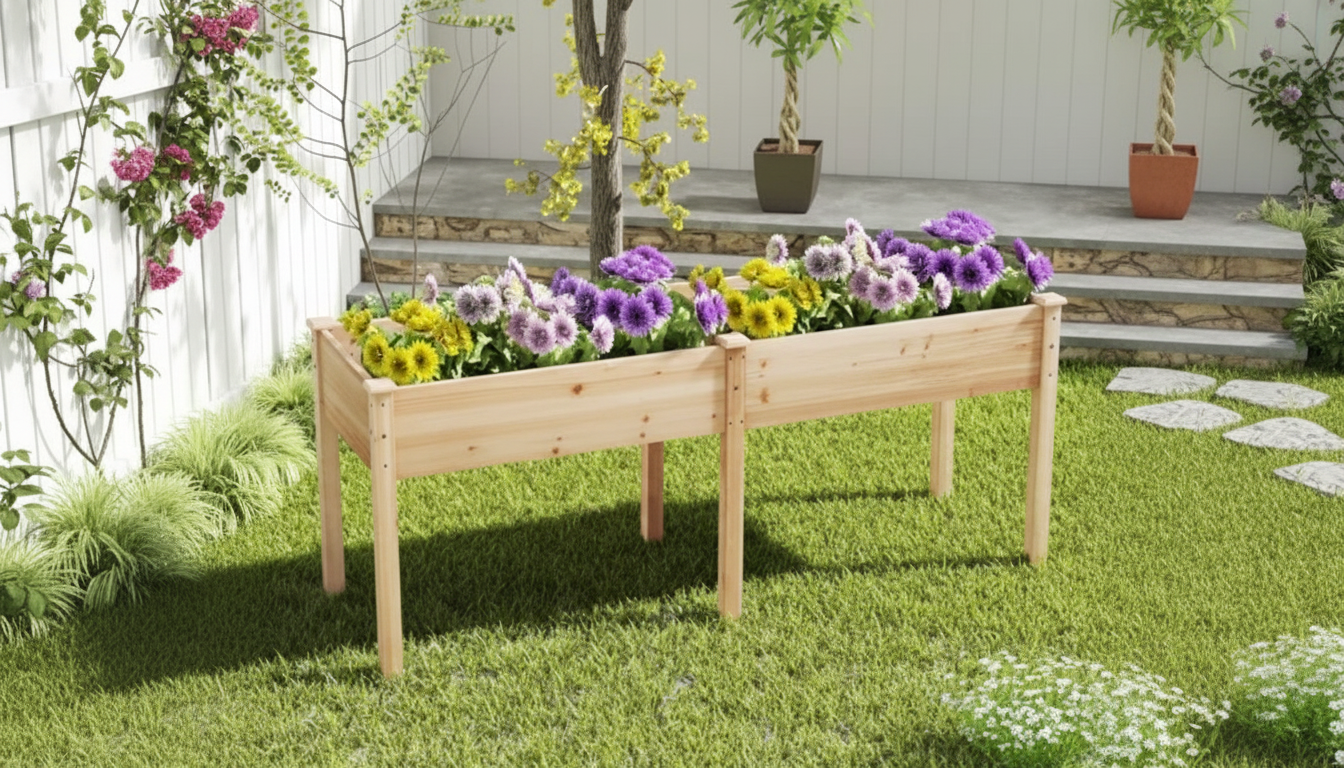
A raised wooden planter box can turn patios, decks, and small yards into productive growing space while keeping soil contained and plants easier to reach. This 73″x23″x30″ outdoor planter includes a built-in divider for separating plant types and drainage features to help reduce waterlogging. The result is a clean, organized bed that supports everything from kitchen herbs to compact veggies—without taking over the whole outdoor area.

What makes this planter practical outdoors

Outdoor containers succeed when they balance comfort, capacity, and root health. A raised design helps reduce bending during planting, pruning, and harvest, while also keeping plants off hot pavement or compacted ground where drainage and airflow can be limited.

  • Raised height supports easier tending and can make daily watering and harvesting less of a chore.
  • Long 73-inch bed provides room for multiple plant groupings, so basil doesn’t end up shading lettuce or crowding out chives.
  • Built-in divider creates two distinct zones—handy for separating herbs from vegetables or keeping aggressive root systems contained.
  • Drainage design supports healthier roots during rainy stretches, reducing the odds of soggy soil that can stress plants.
  • Wood construction blends naturally into patios, porch edges, and garden borders, giving the setup a warm, classic look.

Quick specs at a glance

The footprint and height are designed for outdoor access and comfortable tending. The divider helps organize planting plans (and even soil types) within the same bed, while drainage features support container-style growing with fewer waterlogged-soil issues.

Planter box specifications

Feature Details
Overall size 73″ x 23″ x 30″
Construction Wood planter box for outdoor use
Layout Built-in divider for separated planting zones
Drainage Integrated drainage to help excess water escape
Best locations Patio, deck, balcony, backyard edges

How to use the divider for better planting results

A divider isn’t just for neatness—it’s a practical tool for matching plant needs. When two crops share the same soil, one can end up overwatered or underfed. Separate zones make it easier to fine-tune care without adding more containers.

  • Separate by watering needs: keep drought-tolerant herbs on one side and thirstier greens on the other to avoid “one-schedule-fits-all” watering.
  • Use different soil mixes per side: a lighter potting blend can suit herbs, while a richer compost-forward mix can support heavier-feeding vegetables.
  • Manage spreaders: confine mint, oregano, or strawberries to one section so they don’t creep into slower-growing neighbors.
  • Plan seasonal rotations: run cool-season crops on one side (spinach, arugula) and warm-season plants on the other (peppers, basil).
  • Create a pollinator strip: dedicate one side to compact blooms and keep the other for edibles for a balanced, space-smart layout.

Drainage and soil setup

Drainage is where many patio gardens succeed or fail. Start with a high-quality raised-bed or container mix that drains well while still holding enough moisture to get plants through warm afternoons. Extension resources on container growing often emphasize using a purpose-built mix rather than heavy native soil that compacts over time (see University of Minnesota Extension guidance on container gardening).

  • Avoid heavy garden soil alone: it can settle and restrict airflow to roots, which slows growth and increases stress after rain.
  • Blend compost thoughtfully: add compost gradually and mix thoroughly so you don’t end up with dense pockets that stay wet.
  • Protect deck surfaces: if the planter sits on wood decking, use a protective mat and plan where drainage runoff goes to help reduce staining.
  • Water by feel, not by habit: check moisture at root depth; water deeply only when the top couple inches begin to dry.

For more container-specific tips, the Royal Horticultural Society’s container gardening overview is a helpful reference for planning and ongoing care.

Placement tips for patios, decks, and yards

  • Sun: aim for 6–8 hours of direct light for most vegetables; partial sun works well for many herbs and leafy greens.
  • Airflow: leave space around the planter to reduce mildew risk, especially in humid climates.
  • Level surface: keep the base level so water drains evenly and plants develop uniformly.
  • Convenience: place it near a hose or watering-can fill point to make consistent care easier.
  • Cold nights: placing it near a wall can add mild protection, but don’t sacrifice light—especially for fruiting plants.

If you’re timing plantings by region, the USDA Plant Hardiness Zone Map can help confirm what’s likely to thrive outdoors across seasons.

Planting ideas that fit the divided layout

Two separate zones make it easier to keep harvests steady and flavors clean (nobody wants mint taking over everything). These combinations fit well in a long, divided bed:

Outdoor care and longevity

Shop in-stock picks

FAQ

What is the benefit of a divider in a raised planter box?

A divider helps separate plants with different watering and nutrient needs, making care more consistent. It also helps contain aggressive growers (like mint) and makes simple rotations or companion planting easier to manage in the same footprint.

How should the planter be filled for good drainage?

Fill it with a raised-bed or container mix that stays airy and drains well, then blend in compost gradually. Avoid using dense native garden soil alone, and check moisture at root depth so you water only when the top couple inches start to dry.

Can this planter box sit on a wooden deck?

Yes, it can sit on a wooden deck as long as it’s placed on a level surface and drainage runoff is managed. Using a protective mat underneath and keeping drainage points clear can help reduce staining and moisture issues.

Was this article helpful?

Yes No
Leave a comment
Top

Shopping cart

×