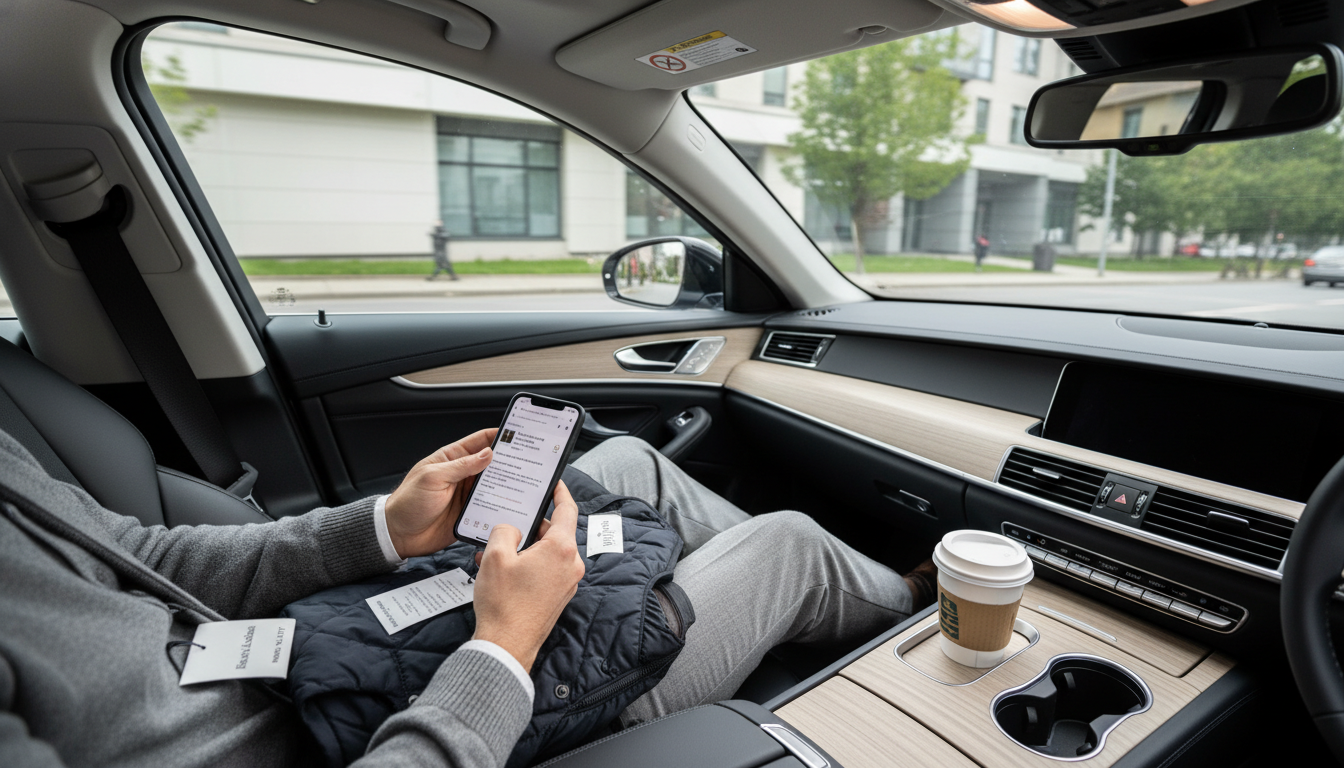
Brunello Cucinelli is best known for “Made in Italy” craftsmanship, and a large portion of the brand’s tailoring and ready-to-wear is produced in Italy. Many of its signature pieces—such as structured blazers, refined knitwear, and elevated wardrobe staples—are associated with Italian manufacturing standards and finishing.
That said, the only fully reliable way to know where a specific Brunello Cucinelli item was made is to check the country-of-origin label inside the garment. Luxury brands can vary production by product category, season, factory capacity, or specialized components. Some items may be produced outside Italy, and it’s possible for certain categories or specific runs to be labeled “Made in China” (or another country) even when the brand identity strongly emphasizes Italy.
Start with the sewn-in care and origin tag (commonly found in an interior pocket, side seam, or near the lining). Look specifically for “Made in …” wording rather than assuming based on where you purchased it. If you’re shopping online, request a photo of the interior label and any style or SKU tags before buying—especially for pre-owned items.
No. Country of origin alone doesn’t determine authenticity. Authenticity is better assessed through a combination of factors: label construction, stitching quality, fabric hand-feel, hardware engraving, consistent sizing tags, and overall finishing. A genuine item can be made outside Italy, while a counterfeit can falsely claim “Made in Italy.”
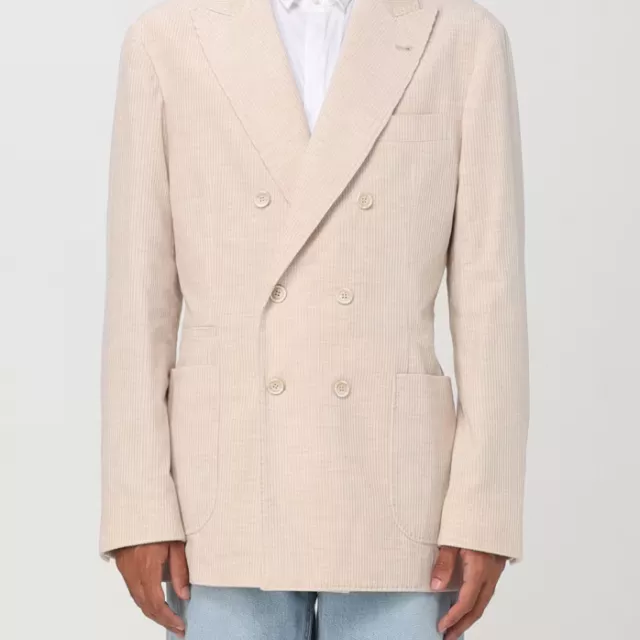
If you’re comparing details on a specific piece, the product-focused breakdown in this guide can help you evaluate fabric, structure, and styling cues: Brunello Cucinelli Double-Breasted Corduroy Blazer Guide.
Check interior labels for clean stitching, correct spelling, and consistent formatting, then compare fabric quality, button/hardware finishing, and seam work to known authentic examples. When possible, verify the style information and request clear photos of tags, lining, and closures.







Leave a comment