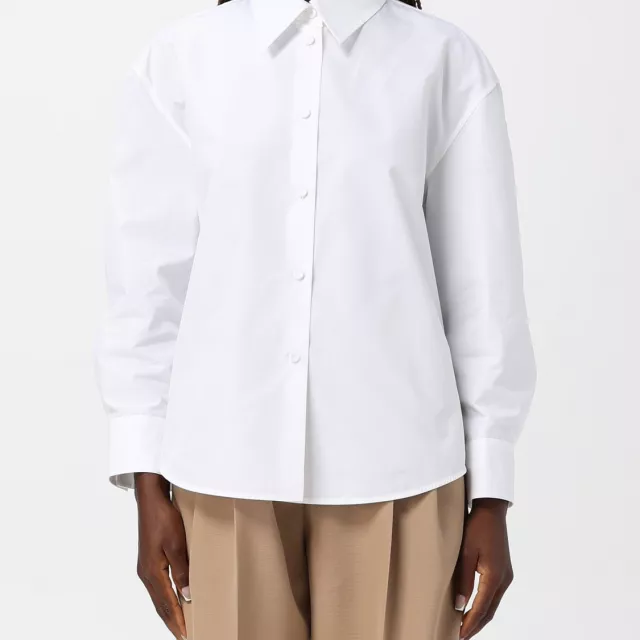
A cotton shirt from Jil Sander is built around crisp lines, thoughtful proportions, and fabric quality that holds up to repeat wear. This guide covers what to look for in materials and construction, how to style it across settings, and how to care for cotton so the shirt keeps its shape and finish.
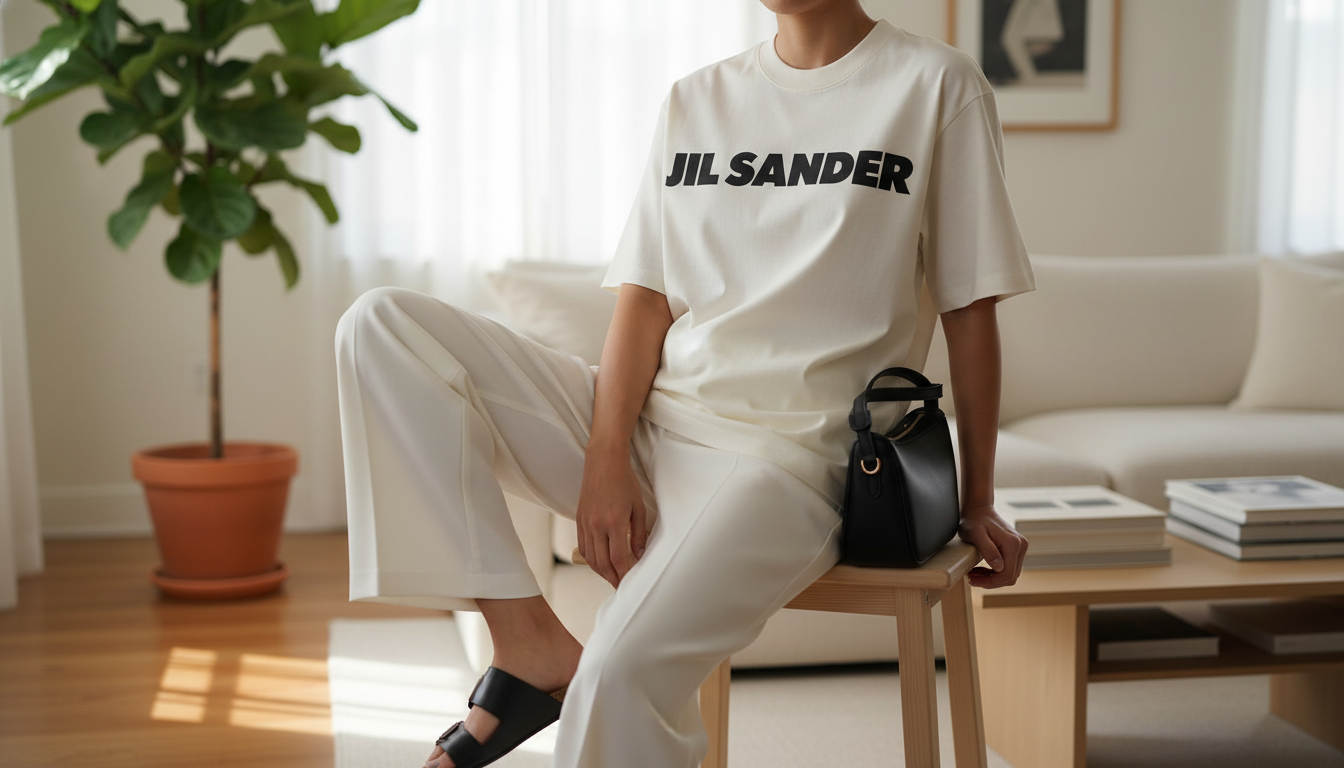
A Jil Sander cotton shirt tends to stand out for the way it balances clarity and restraint. Instead of relying on bold logos or obvious embellishment, the impact comes from the cut, the surface of the fabric, and the precision of the finishing.
Not all cotton shirts behave the same. A crisp, “sharp” appearance usually comes from tighter weaves and a smoother surface that reflects light more evenly and holds a pressed line longer. Cotton’s natural breathability is also a practical advantage—especially when the shirt is worn all day or used as a base layer.
For a quick refresher on cotton as a fiber—why it breathes, absorbs moisture, and responds to heat—see Britannica’s overview of cotton.
Fit is where a minimal cotton shirt either looks intentional or starts to feel “off.” Because the design is clean, the shoulder line, sleeve length, and hem balance become more noticeable. When trying on, move naturally: reach forward, bend your elbows, sit down, and see whether the shirt keeps a smooth front without pulling at the buttons.
| Detail | What to Check | Why It Matters |
|---|---|---|
| Shoulders | Seam sits near the shoulder edge | Keeps the silhouette clean and prevents twisting |
| Chest | No pulling at buttons; comfortable reach | Maintains a smooth front and better layering |
| Sleeves | Cuff meets wrist comfortably | Polished proportions and easier jacket pairing |
| Hem | Covers waistband when tucked; balanced when untucked | Determines versatility across formal and casual looks |
| Collar | Stands neatly; lies flat when open | Frames the face and changes the formality level |
Small construction choices are what keep a cotton shirt looking clean after repeat wear. Pay attention to the areas that take the most stress—placket, collar, cuffs, and seams—because that’s where quality shows up over time.
If you want a structured outer layer that complements a clean shirt silhouette, the Balenciaga Cotton Denim Jacket with Button Closure and Front Pockets adds texture without competing for attention. For cooler months, a softer contrast over crisp cotton works well—try the Brunello Cucinelli Alpaca Oversized Sweater with Crochet Weave with the collar and cuffs intentionally visible.
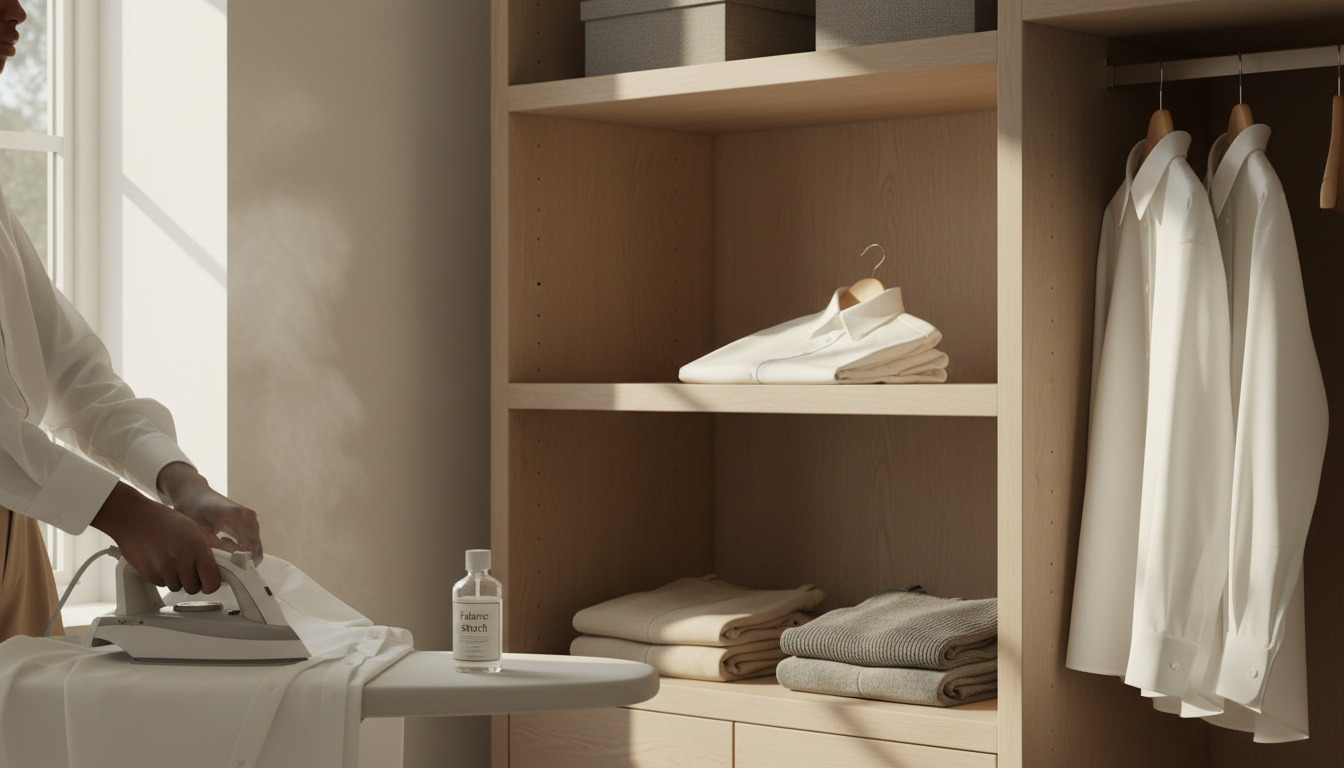
For reliable care-label guidance, the FTC Care Labeling Rule explains why labels matter and how instructions are intended to be used. For pressing technique basics that translate well to shirts (steam, pressure, and order of operations), see The Woolmark Company’s ironing guide.
Shop the featured piece here: Jil Sander Cotton Shirt.
It can, especially when exposed to heat in washing or drying. To minimize shrinkage, follow the care label, wash in cooler water, and air-dry or use low heat when tumble-drying.
The shoulder seam should sit close to the shoulder edge, and the chest should allow comfortable movement without pulling at the buttons. If you see horizontal stress lines across the upper torso or feel tightness when reaching forward, sizing or proportions may be off.
Remove it promptly after washing, hang it neatly to dry, and press with steam—starting with collar and cuffs for the sharpest result. Store it on a supportive hanger and rotate wear days so the fabric has time to recover.







Leave a comment