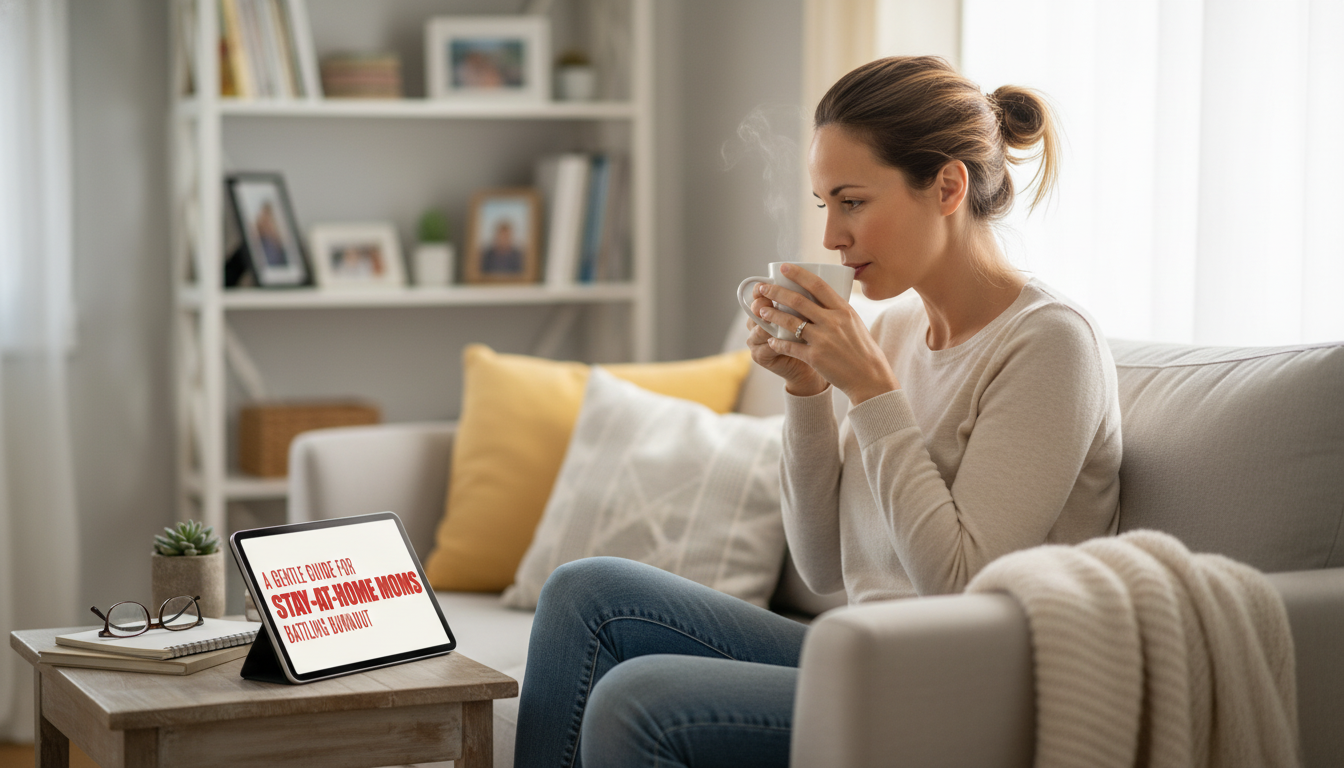
Burnout at home can feel invisible: the work is constant, the needs are loud, and personal time disappears in minutes. This gentle guide centers on practical, low-pressure ways to reduce overwhelm, rebuild emotional and physical energy, and create small routines that support a calmer, more sustainable day—without requiring a full lifestyle overhaul.
Exhaustion is common in caregiving seasons, but burnout tends to feel deeper and more persistent. Signs can include irritability, numbness, constant fatigue that sleep doesn’t fix, resentment, feeling ineffective, frequent tears, or snapping faster than usual. Sometimes it’s less about how much you’re doing and more about how little recovery you’re getting.
Many stay-at-home moms carry a heavy mental load: decision fatigue, never-ending chores, invisible planning, and a lack of true downtime. Even “breaks” can be filled with logistics—thinking about appointments, meals, behavior struggles, school forms, and the next mess.
Burnout isn’t a character flaw; it’s a human response to prolonged stress and limited restoration. For a helpful overview of how stress impacts the mind and body, the American Psychological Association (APA) offers clear, practical guidance.
If symptoms include persistent hopelessness, panic, or thoughts of self-harm, seek professional support right away. The CDC’s coping resources can be a starting point, and urgent help is warranted if you feel unsafe.
When you’re running on fumes, “self-care” can sound like one more task. A compassionate reset starts smaller: stabilize the basics first—hydration, regular meals, and a short daily movement habit (even 5–10 minutes). These aren’t vanity goals; they’re nervous-system supports.
Next, lower the bar on perfection. During high-stress seasons, aim for “safe and functional.” Dishes can wait. Floors don’t need to sparkle. Kids can repeat meals. You’re not failing—you’re prioritizing capacity.
Pick one area to simplify this week rather than trying to fix everything at once. Choose the bottleneck that creates the most daily friction: meals, laundry, mornings, or bedtime. One small system change often creates more relief than five ambitious plans.
Finally, swap guilt-based motivation for supportive cues. Rest is part of caregiving, not a reward for finishing everything. If you have to “earn” recovery, it rarely happens.
Micro-moments matter because they’re realistic. Instead of waiting for a perfect afternoon that never comes, try tiny downshifts that fit into a loud, messy day.
| Type of refill | 10-minute option | When it helps most |
|---|---|---|
| Body | Drink water + protein snack + stretch calves/neck | Energy crashes, headaches, shaky overwhelm |
| Mind | Brain-dump list: worries, tasks, one next step | Racing thoughts, decision paralysis |
| Emotions | Name the feeling + one need (rest, help, quiet) | Tears, irritability, numbness |
| Environment | Reset one surface (kitchen counter or bathroom sink) | Clutter-triggered stress |
| Connection | Text one person: “Could use a quick check-in this week” | Loneliness, resentment |
Boundaries don’t have to be big speeches. Short, repeatable phrases reduce conflict and conserve energy:
If you want a medical overview of how burnout shows up and why it lingers, the Mayo Clinic’s burnout resource is a solid reference.
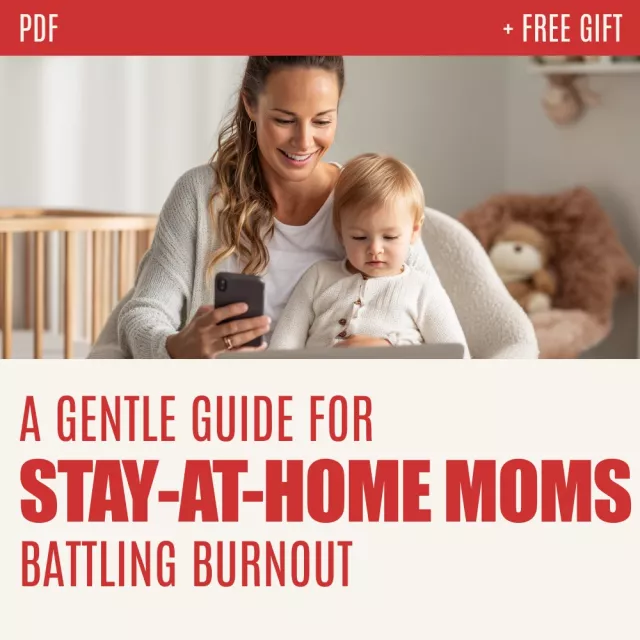
If you’re craving guidance that respects real-life constraints and imperfect days, Refilling Your Cup: A Gentle Guide for Stay-at-Home Moms Battling Burnout – eBook is designed as a pick-and-choose toolkit—helpful for moms who feel touched-out, emotionally depleted, stuck in survival mode, or unsure where to begin.
Sometimes physical comfort can make a stressful day feel slightly more doable. A soft layer can be a small sensory reset—something you put on that signals “I’m allowed to be comfortable, too.” If a cozy uniform helps you regulate, consider a warm, relaxed option like the Brunello Cucinelli Alpaca Oversized Sweater with Crochet Weave.
And when you need an easy “out the door” layer for school drop-off or a quick walk (without overthinking an outfit), a structured staple like the Balenciaga Cotton Denim Jacket with Button Closure and Front Pockets can simplify the getting-ready moment.
Burnout is typically more persistent and comes with emotional changes like irritability, numbness, or feeling ineffective—plus recovery doesn’t happen even after rest. If symptoms last weeks, worsen, or include hopelessness or panic, it’s a strong sign to seek professional support.
Try a 1–3 minute reset: stop where you are, inhale slowly, exhale longer than you inhale, then ground through your senses (name 3 things you see, 2 you feel, 1 you hear). If possible, drink a few sips of water or step outside for a brief change in light and temperature.
No—self-care is basic maintenance that protects your patience, health, and ability to parent without constant resentment. Even small practices (a 10-minute quiet break, a protein snack, a short walk) can improve the whole household by increasing your capacity.











Leave a comment