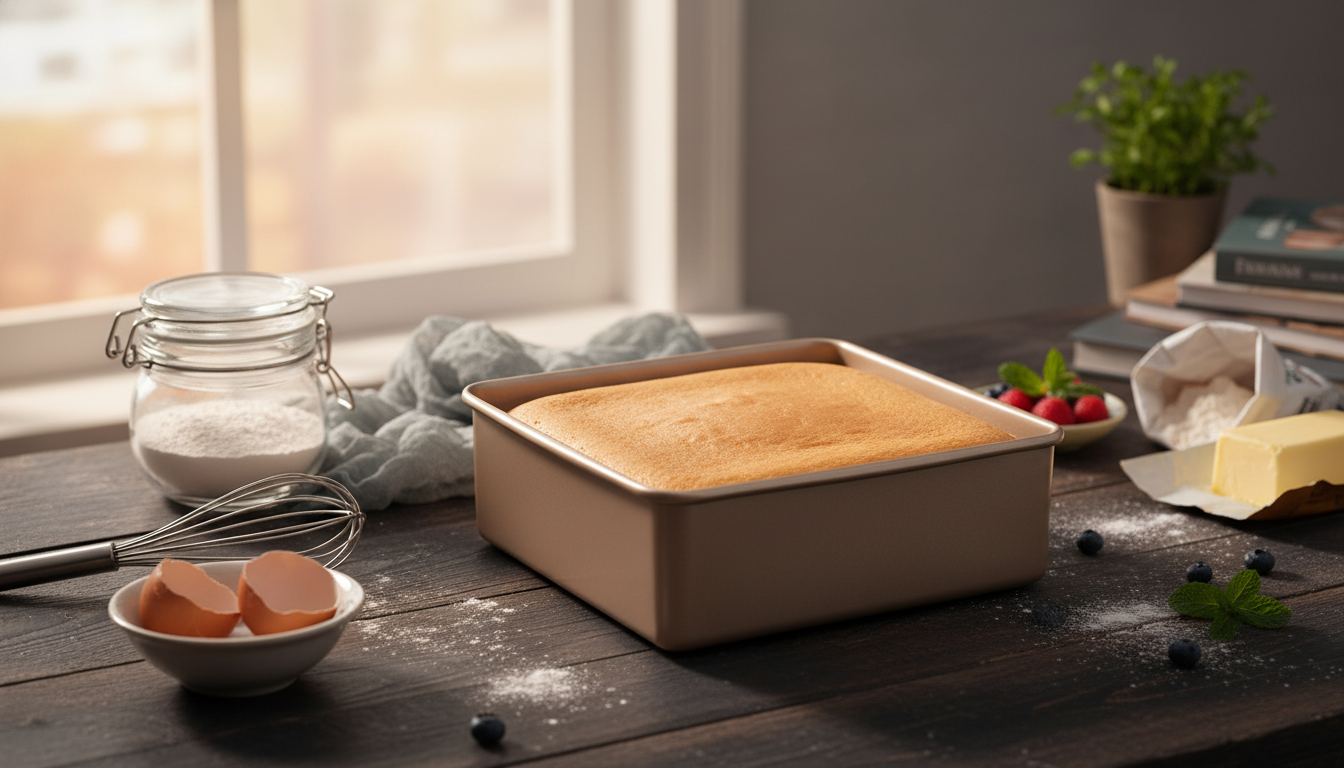
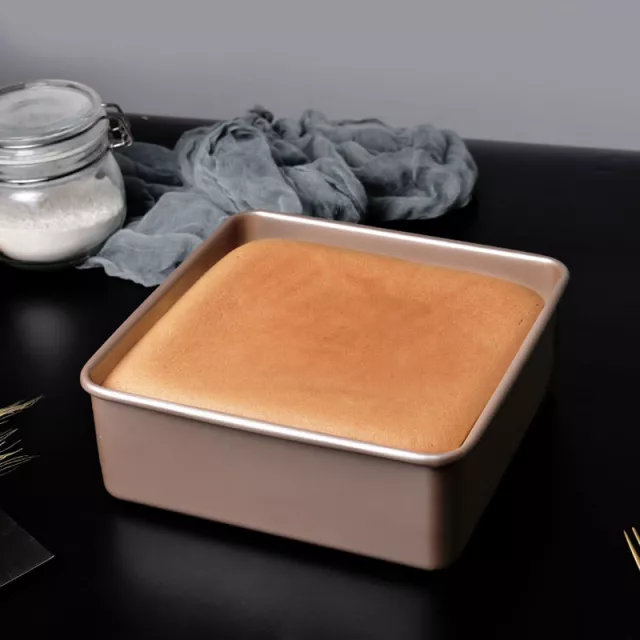
A dependable square baking pan is one of those kitchen basics that quietly does a lot of heavy lifting. The Non-Stick Golden Carbon Steel Baking Tray – Square Bread & Cake Pan is designed for everyday breads and cakes, with a golden finish and a non-stick surface that helps with clean release, even browning, and easier cleanup. It’s a practical choice for home bakers who want reliable results without extra steps.
The square shape and straight sides make this pan especially useful when you want neat edges, easy slicing, and consistent thickness across the bake. It’s a go-to for both sweet and savory recipes where even browning matters.
Carbon steel bakeware is popular for a reason: it’s responsive in the oven and encourages browning without feeling flimsy. Compared with many thin starter pans, carbon steel tends to feel sturdier and more stable when moving in and out of the oven.
The non-stick coating is there for the moments that usually cause frustration—sticky batters, delicate crumb, and sugary edges that love to cling. The golden tone isn’t just aesthetic; it also makes it easier to spot visual cues as the surface browns, especially for cornbread, blondies, and snack cakes.
Small habits make a big difference in how long a non-stick baking pan performs like new. Use this quick guide as a reference when you’re swapping from glass to metal, adjusting bake times, or deciding how to clean up without damaging the coating.
| Category | Recommendation |
|---|---|
| Material | Carbon steel construction for efficient heat transfer |
| Best uses | Square cakes, brownies, bread-style loaves, bar cookies |
| Release help | Light oil/butter or parchment for sticky batters |
| Utensils | Silicone, wood, or nylon tools to protect non-stick coating |
| Cleaning | Hand-wash with mild soap; avoid abrasive pads when possible |
| Storage | Stack with a soft liner or towel between pans to prevent scratches |
If bakes come out too dark on the edges or pale in the middle, the fix is often technique—not the recipe. A few simple adjustments can improve browning and texture right away.
When switching from glass or ceramic to metal, keep an eye on the last third of the bake. Metal pans commonly bake a bit faster, so checking early helps prevent overbrowning.
Non-stick performance is easiest to maintain when you protect the coating and avoid extreme temperature swings. Most “pan problems” (sticking, dull finish, stubborn residue) start with a few preventable habits.
For general guidance on safe cookware use and food-contact materials, see the USDA Food Safety and Inspection Service and the FDA overview on food contact substances.
To get immediate mileage out of a square carbon steel pan, start with bakes that highlight what it does best: browning, clean edges, and easy portioning.
Yes. Carbon steel is widely used in bakeware for everyday cakes and breads; use it within normal baking temperature ranges and follow care instructions, especially for coated surfaces.
It can be a good idea for sticky batters, easy lift-outs, and cleaner edges. Many recipes release well with light greasing alone, but parchment adds convenience and also helps protect the coating.
Let the pan cool, then hand-wash with mild soap and a soft sponge. Avoid abrasive pads and metal tools; for stuck-on bits, soak briefly instead of scrubbing aggressively.









Leave a comment