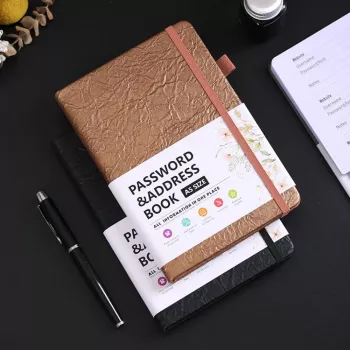
Keeping track of logins across shopping, banking, utilities, streaming, and work accounts gets messy fast. A dedicated, offline organizer makes it easier to find what’s needed quickly while keeping important details in one consistent place—especially for households managing shared accounts, backups, and recovery notes.
Instead of relying on scattered “temporary” solutions that turn permanent, an alphabetical organizer gives each account a predictable home. That predictability matters when you’re troubleshooting a sign-in at checkout, setting up a new TV, or helping a family member regain access without cycling through multiple password resets.
| Detail | What it means for daily use |
|---|---|
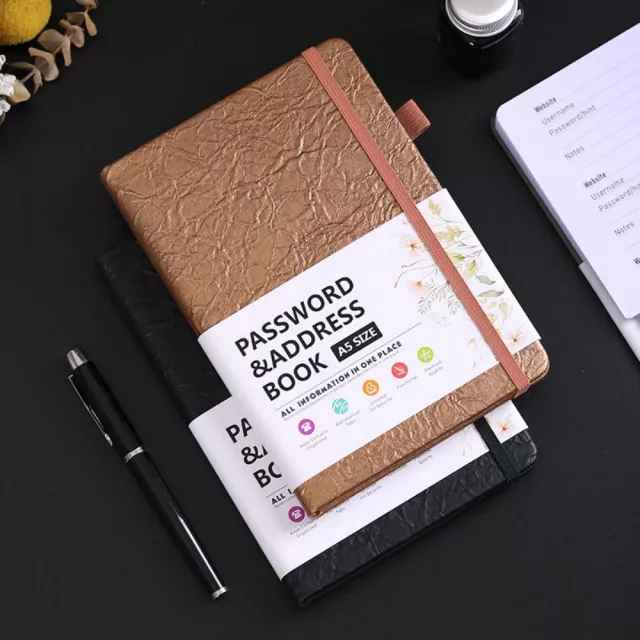
| Hardcover design | More durable for frequent flipping and long-term storage |
| A–Z tabbed sections | Faster access to specific accounts without scanning every page |
| Offline record | Not exposed to online breaches, sync issues, or device loss |
| Structured entry pages | Space for login, password, and notes in a repeatable format |
Small design choices can make the difference between a notebook you actually maintain and one that becomes unreadable over time. Clear fields reduce cramped writing, and a repeatable format helps when multiple people in a household add entries. If the tabs are sturdy and the cover holds up, the organizer can stay in service through device upgrades and routine password changes.
An offline organizer is most helpful when it’s treated like other sensitive household records. For added safety, pair the notebook with strong account habits such as unique passwords and multi-factor authentication. Guidance from sources like NIST’s Digital Identity Guidelines and CISA’s strong password recommendations can help inform your broader approach.
Many people settle into a hybrid system: a password manager for daily convenience, and a physical record for high-importance logins and recovery breadcrumbs (like where backup codes are stored, or when a two-step method was enabled). If personal data protection is a priority, the FTC’s guidance on protecting personal information is a helpful baseline for securing devices, accounts, and physical documents.
If you’re building a practical “household essentials” setup, a couple of giftable add-ons are also in stock for occasions where you want something more than a notebook alone: Brunello Cucinelli Alpaca Oversized Sweater with Crochet Weave and Balenciaga Cotton Denim Jacket with Button Closure and Front Pockets.
It can be, as long as you manage the physical risk: keep it in a locked drawer or safe and avoid leaving it out in shared spaces. An offline record reduces exposure to remote breaches, and pairing it with two-step verification adds another layer of protection.
Add the website/app name and URL, plus practical recovery notes like where backup methods are stored, when 2FA was set up, and relevant customer support numbers. Use caution with one-time codes—record where they’re stored rather than writing them plainly.
File entries by service name under the A–Z tabs and stick to consistent naming (for example, “Bank of X” rather than “Checking”). Update entries immediately after changes and leave extra space for accounts you access frequently.












Leave a comment