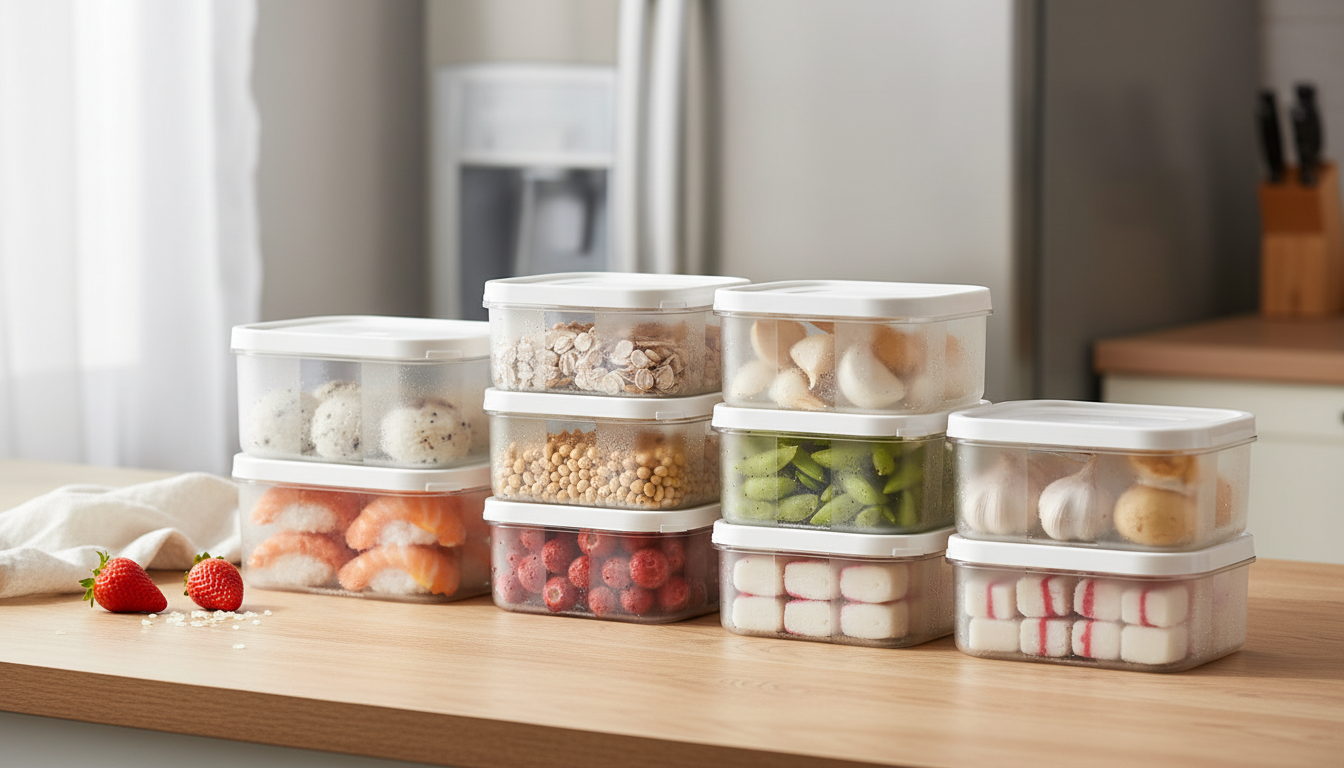
Keep lunches, leftovers, and prep portions tidy with a compact container that seals securely and stores neatly. Available in 300ml and 600ml sizes, this freezer-safe plastic container is designed for everyday use—helping prevent spills in bags, reduce freezer mess, and simplify portioning at home or on the go.
Quick overview
- Two practical capacities for small snacks or full meal portions (300ml and 600ml)
- Leak-resistant lid helps reduce mess during transport and storage
- Freezer-safe design for batch cooking, portioning, and leftovers
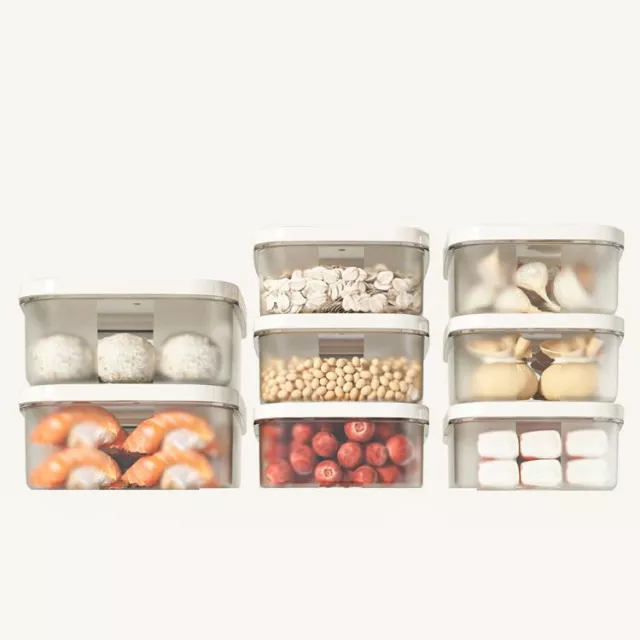
- Lightweight plastic body stacks easily in cabinets, fridges, and freezers
- Works well for lunches, sauces, cut fruit, grains, and meal-prep components
If you’re stocking up on dependable, day-to-day containers, start with the Leakproof 300ml/600ml Plastic Food Storage Container with Lid – Freezer Safe for a simple system that covers snacks, sides, and single-serve meals.
Choosing the right size: 300ml vs 600ml
Picking the best size is less about “small vs large” and more about matching the container to how you actually eat and pack food. A snug fit limits shifting in a lunch bag, reduces the chance of food getting caught on the rim, and keeps the lid sealing evenly.
- 300ml is ideal for dips, dressings, chopped fruit, yogurt, nuts, and side portions.
- 600ml fits single-serve leftovers, salads, pasta portions, rice bowls, or prepped ingredients.
- For freezer portions, 300ml suits sauce or broth portions; 600ml suits meal components.
- For lunch bags, pick the smallest size that comfortably fits the serving to reduce shifting and leaks.
Size guide at a glance
| Size |
Best for |
Typical use cases |
| 300ml |
Snacks and small portions |
Dips, chopped fruit, yogurt, nuts, condiments |
| 600ml |
Meals and larger portions |
Leftovers, salads, pasta, grains, meal-prep components |
Leak-resistant lid: what it helps with day to day
A leak-resistant lid is most noticeable in the little moments: when a container tips in a tote, when you stack items tightly in the fridge, or when you store saucy foods that love to creep into corners.
- Helps keep soups, saucy foods, and marinades contained during short trips and fridge storage.
- Reduces odors and cross-contamination when storing strong-smelling ingredients.
- Supports cleaner stacking in the fridge by limiting drips onto shelves.
- For best results: avoid overfilling; leave a small headspace so the lid can seal evenly.
- After closing, do a quick rim check to ensure no food is caught between the lid and container edge.
For food safety basics—especially when you’re packing lunches and saving leftovers—review guidance from the FDA and the USDA FSIS on storing and cooling foods properly.
Freezer-friendly storage without the mess
Freezer storage is where a compact, stackable shape really pays off. Portioning into smaller containers keeps food easier to thaw, reduces waste, and makes weeknight meals feel less rushed.
- Portion and freeze components (cooked grains, shredded chicken, veggies) to speed up weeknight meals.
- Label the lid with date and contents to rotate older portions first.
- Cool hot foods before sealing and freezing to reduce condensation and ice crystals.
- Leave space for foods that expand as they freeze (soups, broths, stews).
- Thaw safely in the refrigerator or using a cold-water bath in a sealed container when needed.
As a general reminder, follow reputable food-safety practices to limit the risk of foodborne illness; the CDC food safety overview is a helpful starting point.
Care tips to keep the seal working well
Leak resistance depends on two clean contact points: the lid rim and the container lip. Keeping those surfaces in good shape helps the lid close evenly and reduces small gaps that can allow drips over time.
- Wash and dry the lid rim and container lip thoroughly; residue can prevent a tight seal.
- Avoid using sharp tools that can nick the sealing surface.
- Store with lids loosely placed (not snapped shut) to help reduce odors between uses.
- If staining occurs, a baking soda soak can help lift color from tomato-based foods.
- Replace the container if cracks appear, as impacts can compromise leak resistance.
Smart meal-prep routines using two sizes
Using both sizes together creates a simple “modular” routine: keep wet ingredients separate from crisp ones, and freeze building blocks you can combine quickly.
- Pair 600ml for the main portion with 300ml for sauce, dressing, or toppings to keep textures fresh.
- Build snack sets: 300ml for nuts or fruit; keep a few in the freezer for ready-to-pack options.
- Create mix-and-match freezer portions: freeze grains in 600ml, sauces in 300ml for quick assemblies.
- Use the smaller size to portion ingredients for cooking (pre-measured aromatics, spice blends, garnish).
In-stock picks
FAQ
Can it go in the freezer with soups or sauces?
Yes. Leave a little headspace for expansion, cool food before sealing, and thaw in the refrigerator to reduce temperature shock and mess.
Which size is better for lunch portions?
300ml suits snacks and sides, while 600ml is better for single-serve meal portions. Choose based on your serving size and how tightly your lunch bag is packed.
How can leaks be prevented when transporting?
Avoid overfilling, wipe the rim clean before closing, and press the lid down evenly around the edges. Keeping the container upright in a bag also helps.
Recommended for you








Leave a comment