HomeBlogBlogSealed Clear Pantry Container + Measuring Cup (1100–2300ml)

Sealed Clear Pantry Container + Measuring Cup (1100–2300ml)

Sealed Clear Pantry Container + Measuring Cup (1100–2300ml)

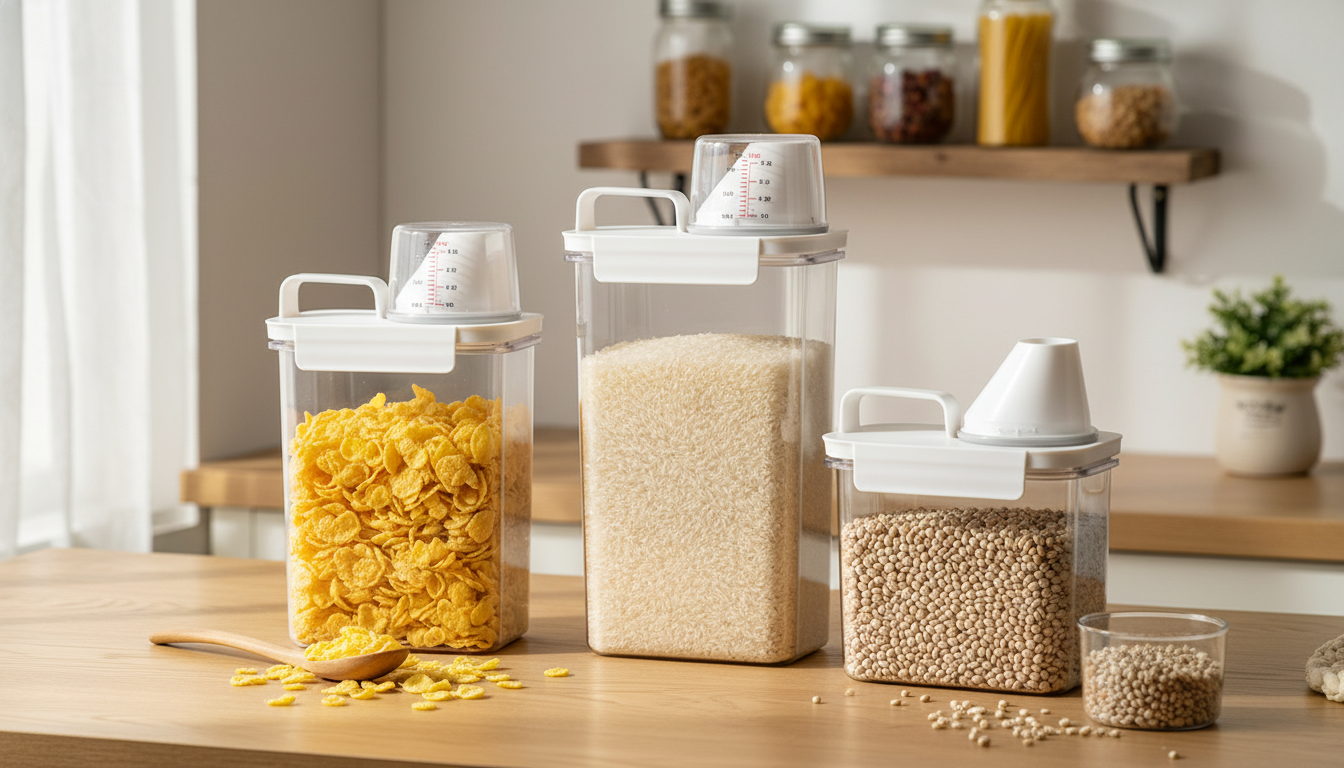
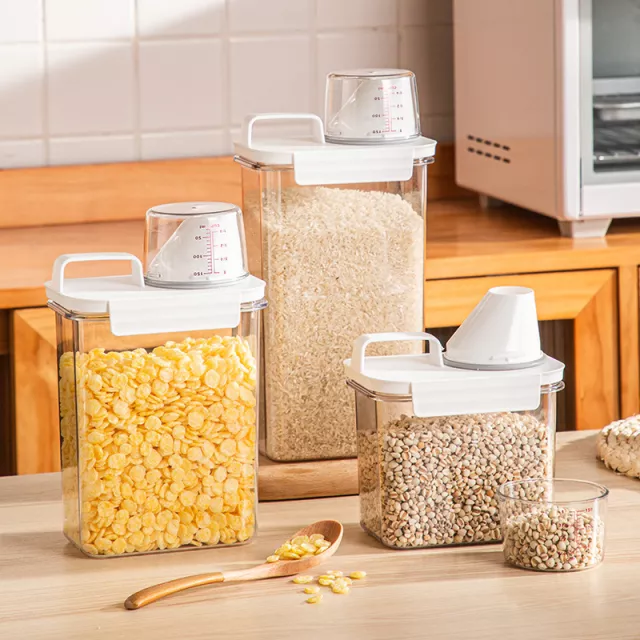
Sealed Transparent Food Storage Container with Measuring Cup – 1100/1800/2300ml

A clear, sealed container with a built-in measuring cup makes everyday pantry storage faster and less messy—especially for staples that get used daily. With multiple ml size options, this style is designed to keep dry goods visible, protected, and easy to portion for cooking, baking, and meal prep. For more guidance, see [PDF] The Commercial Storage of Fruits, Vegetables, and Florist and ….

If you’re ready to upgrade from half-open bags and mismatched scoops, the Sealed Transparent Food Storage Container with Measuring Cup – 1100/1800/2300ml is a practical, pantry-friendly option that helps keep ingredients tidy and easy to grab. For further reading, see Microplastics released from food containers can suppress lysosomal ….

What makes this container different in daily use

Pantry storage works best when it’s simple: see what you have, keep it fresh, and portion it without making a mess. This container design focuses on those everyday wins.

  • Transparent body: You can track how much is left at a glance—no need to open the lid or guess based on a crumpled bag.
  • Sealed closure: A secure seal helps limit air exposure that can lead to staling, clumping, or loss of aroma in common dry goods.
  • Included measuring cup: Built-in portioning helps keep recipes consistent (and helps avoid “eyeballing” when precision matters).
  • Multiple sizes (1100/1800/2300ml): Pick a capacity that fits how quickly you use an ingredient, your shelf space, and how heavy you want the container to be when full.

Best uses around the kitchen

This style of container is ideal for dry pantry ingredients that benefit from being visible and protected. It’s also helpful when you want faster meal prep and fewer spills.

  • Dry goods: rice, pasta, oats, cereal, flour, sugar, coffee beans, tea, nuts, and snacks.
  • Baking prep: use the measuring cup to portion flour or sugar consistently for repeated recipes and batch cooking.
  • Meal prep: keep grains and toppings organized so building bowls, salads, or breakfast jars takes less time.
  • Kid-friendly routines: portion cereal or crackers with the cup to reduce spill risk (and keep sticky hands out of the main container).

Capacity guide for common pantry staples (approximate)

Container size Works well for Practical notes
1100ml Oats, cereal, nuts, dried fruit, snacks Good for items opened often; easy to lift and pour.
1800ml Rice, pasta, beans, coffee Balanced size for everyday staples; reduces refill frequency.
2300ml Flour, sugar, large pasta shapes, bulk cereal Best for higher-volume storage; plan shelf height/space.

How the measuring cup helps with accuracy and cleanup

A measuring cup sounds like a small add-on, but it changes how you use pantry staples day to day—especially if you cook from routine recipes.

  • More consistent portions: Useful for repeatable results in baking, rice-to-water ratios, coffee dosing, and snack servings.
  • Fewer messy transfers: Instead of digging a scoop into a bag (and spilling flour or sugar on the counter), you can portion cleanly from the container.
  • Cleaner hands and countertops: Less contact with ingredients and fewer “clouds” of powder from crinkly packaging.
  • Faster routines with labels: Add a label like “1 cup oats = 1 serving” or “2 scoops for pancake mix” to speed up weekday prep.

Choosing the right ml size for your pantry

The best size isn’t just about volume—it’s also about where the container will live and how it feels in your hand when it’s full.

  • Match capacity to your buying habits: Larger sizes suit bulk purchases and bigger households; smaller sizes suit variety and frequent rotation.
  • Check shelf height and depth: A taller container may not fit under certain shelves, and very deep cabinets can make short containers harder to see.
  • Prioritize daily-use items: Keep frequently used staples in a size that’s comfortable to lift, pour, and return to the shelf.
  • Leave a little headspace: Avoid overfilling so the seal closes properly and scooping/leveling is easier and cleaner.

Care, cleaning, and food-safety habits

Dry goods storage is at its best when moisture is minimized and refills are done cleanly. For broader food-safety guidance, the FDA and USDA offer helpful storage basics: FDA: Food Storage—Keep Food Safe and USDA FSIS: Leftovers and Food Safety.

Simple pantry setup ideas

More in-stock picks

FAQ

Which size should be chosen: 1100ml, 1800ml, or 2300ml?

Choose 1100ml for smaller items you open often (snacks, nuts, oats), 1800ml as an everyday go-to for staples like rice or pasta, and 2300ml for bulk storage such as flour or sugar. Also check shelf height and pick a size that feels comfortable to lift when full.

Can it be used for liquids?

It’s primarily intended for pantry dry goods. If you try it with liquids, test the seal over a sink first, keep it upright, and avoid transporting it in a bag until you’re confident it’s leak-resistant.

How should it be cleaned between refills?

Wash with warm soapy water, rinse thoroughly, and dry completely (including lid and sealing areas) before refilling to help prevent clumping. If you’re switching between allergen contents, clean extra carefully to reduce cross-contact.

Was this article helpful?

Yes No
Leave a comment
Top

Shopping cart

×