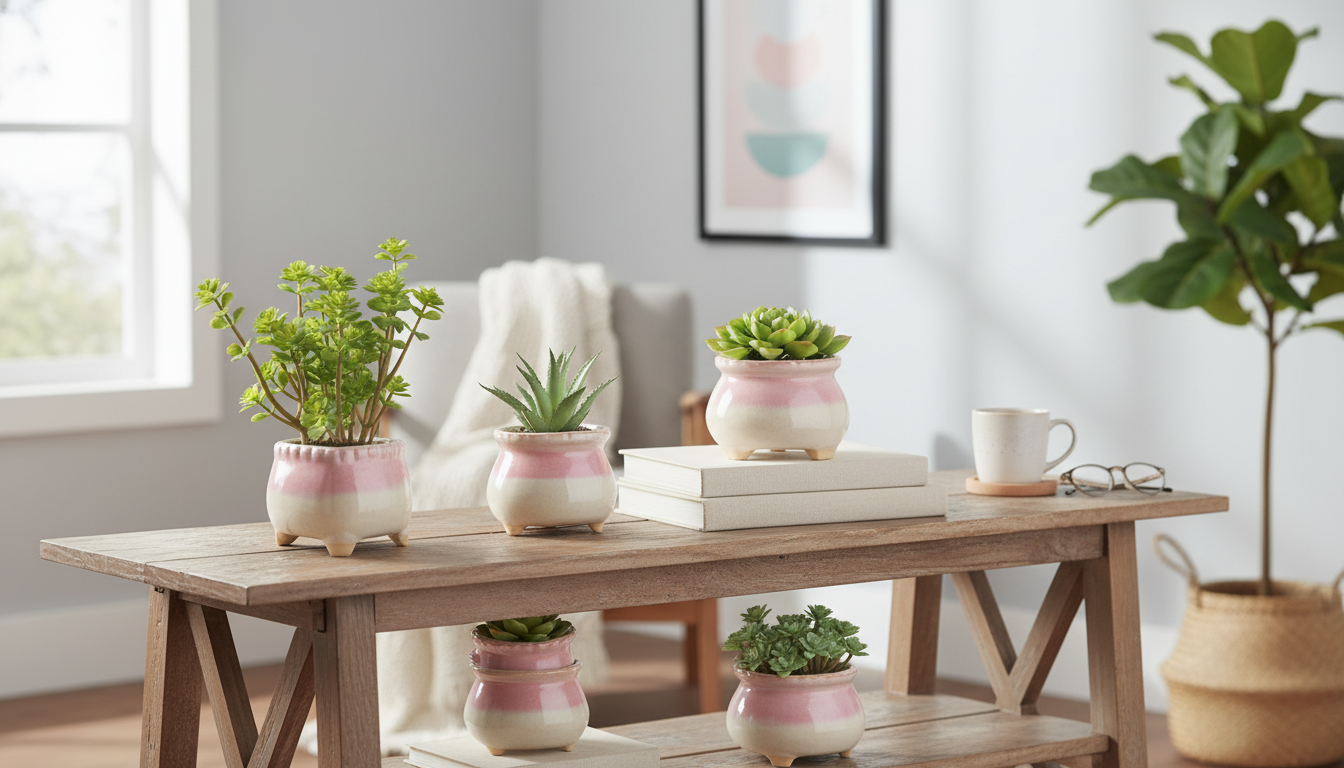
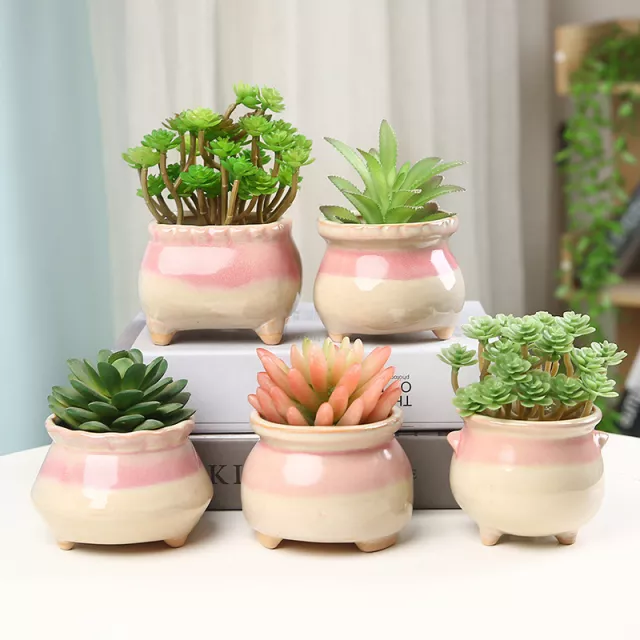
A coordinated set of ceramic flowerpots makes it easier to style shelves, windowsills, and patios without mixing mismatched containers. This 5-piece pink ceramic flowerpot set is designed for a cohesive look while supporting everyday plant needs like stability, easy cleaning, and flexible placement across rooms. The result is a simple way to create a “pulled together” plant moment—whether you’re starting fresh with indoor greenery or refreshing the pots you already own.
Because each pot shares the same color and material, it’s easier to make your plant collection feel intentional. Instead of hunting for “almost matching” containers, you can repeat the same tone throughout a space—especially helpful if your décor leans warm-neutral, minimalist, or soft and romantic.
If you want a coordinated set ready to place, shop the 5-Piece Pink Ceramic Flowerpot Set (in stock).
Pink ceramic can act like a gentle accent color—enough to feel styled, but subtle enough to let foliage remain the focal point. If your room already has blush textiles, warm wood, brass hardware, or cream upholstery, this finish tends to blend rather than clash.
For a clean, coordinated look, try repeating leaf shape across two or three pots (for example, trailing pothos plus compact peperomia), then add a single “statement texture” plant—like a fern—to keep the grouping from feeling too uniform. If you prefer contrast, pair the pink pots with deeper greens (ZZ plant, rubber plant, or darker philodendron varieties) for a richer, more graphic effect.
For general container-growing guidance, the Royal Horticultural Society’s container gardening overview is a helpful reference for balancing light, watering, and pot choice.
| Task | How often | Tip |
|---|---|---|
| Wipe exterior | As needed | Use a soft cloth; mild soap for spots |
| Check soil moisture | Weekly (typical indoors) | Water only when the top layer is appropriately dry for the plant |
| Protect surfaces | Always | Use a tray/saucer under each pot |
| Inspect for chips/cracks | Monthly | Move damaged pots away from high-traffic ledges |
If you’re unsure how often to water, focus on the plant’s needs rather than the calendar. The University of Minnesota Extension guide to watering indoor plants breaks down practical cues (like soil feel and seasonal growth changes) that help prevent common mistakes.
A five-piece set is especially useful for “micro styling”: one pot on a desk, one on a bathroom shelf (if light allows), and the rest grouped on a console or windowsill. The repeated color acts like a subtle through-line, making even small plants feel like part of a larger design plan.
Many plants do best with drainage because it helps prevent water from pooling and causing root rot. If a pot doesn’t have drainage, consider placing a nursery pot inside it or watering more sparingly and checking soil moisture carefully.
Yes—ceramic can work outdoors, especially in covered areas where it’s sheltered from heavy rain and sudden temperature changes. Avoid freeze-thaw conditions and don’t let water sit inside the pot during cold weather to reduce cracking risk.
Use warm water, a soft cloth, and mild soap for spots, then rinse and dry thoroughly. Skip abrasive scrubbers and harsh chemicals, and protect nearby surfaces from runoff while cleaning.










Leave a comment