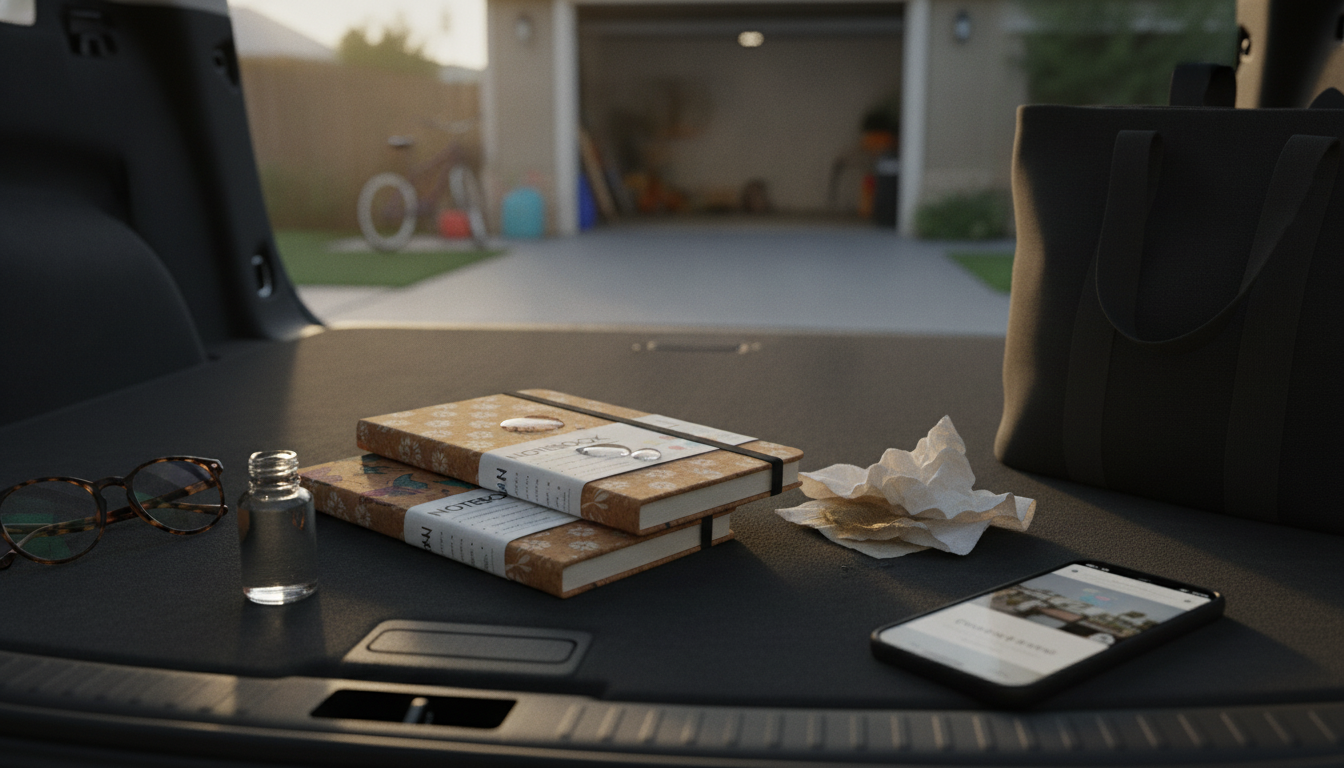
Most PU (polyurethane) leather notebook covers are water-resistant, not truly waterproof. PU leather has a plastic-based coating that helps repel light splashes and brief contact with moisture, which is why droplets often bead up on the surface. But water can still work its way in through seams, stitched edges, folded corners, zipper tracks, snap holes, and the notebook’s exposed paper—areas that typically aren’t sealed like a dry bag or waterproof case.
A PU leather cover generally handles everyday mishaps well: a few raindrops on your commute, a damp hand, or a quick wipe-down after a coffee spill on the outside. If you blot it promptly and let it air-dry, the cover usually remains fine and the finish stays intact.
If the cover is left in steady rain, pressed against a wet surface for a while, or exposed to a larger spill that pools around the edges, moisture can creep inside. Even if the PU exterior resists water, paper pages and inner linings absorb humidity quickly. Also, heat and repeated soaking can weaken adhesives and cause the surface layer to bubble, peel, or crack over time.
Look for details that block entry points: sealed or welded seams, a fully enclosed zipper with a storm flap, and a lining designed to resist moisture. Most fashion-style PU leather notebook covers prioritize appearance and flexibility rather than full sealing, so they perform best as water-resistant everyday protection.
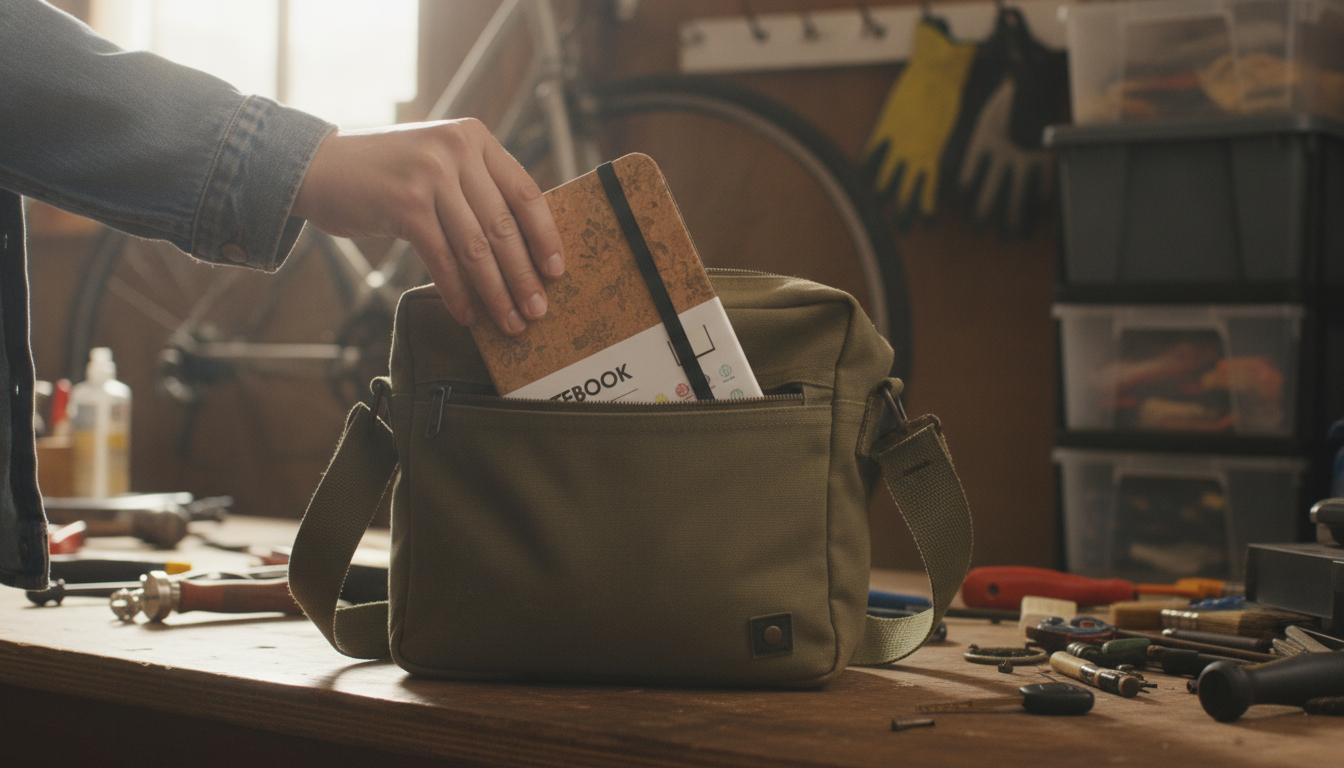
Wipe spills immediately, avoid submerging the cover, and let it dry naturally away from direct heat. If you carry it in heavy rain, place the notebook in a zip pouch or bag pocket for an extra barrier.
For a deeper breakdown of PU leather and how it performs with water, see the full guide here: https://vestalle.com/guide-waterproof-pu-leather-a6-notebook-200-pages-printed-pattern/.
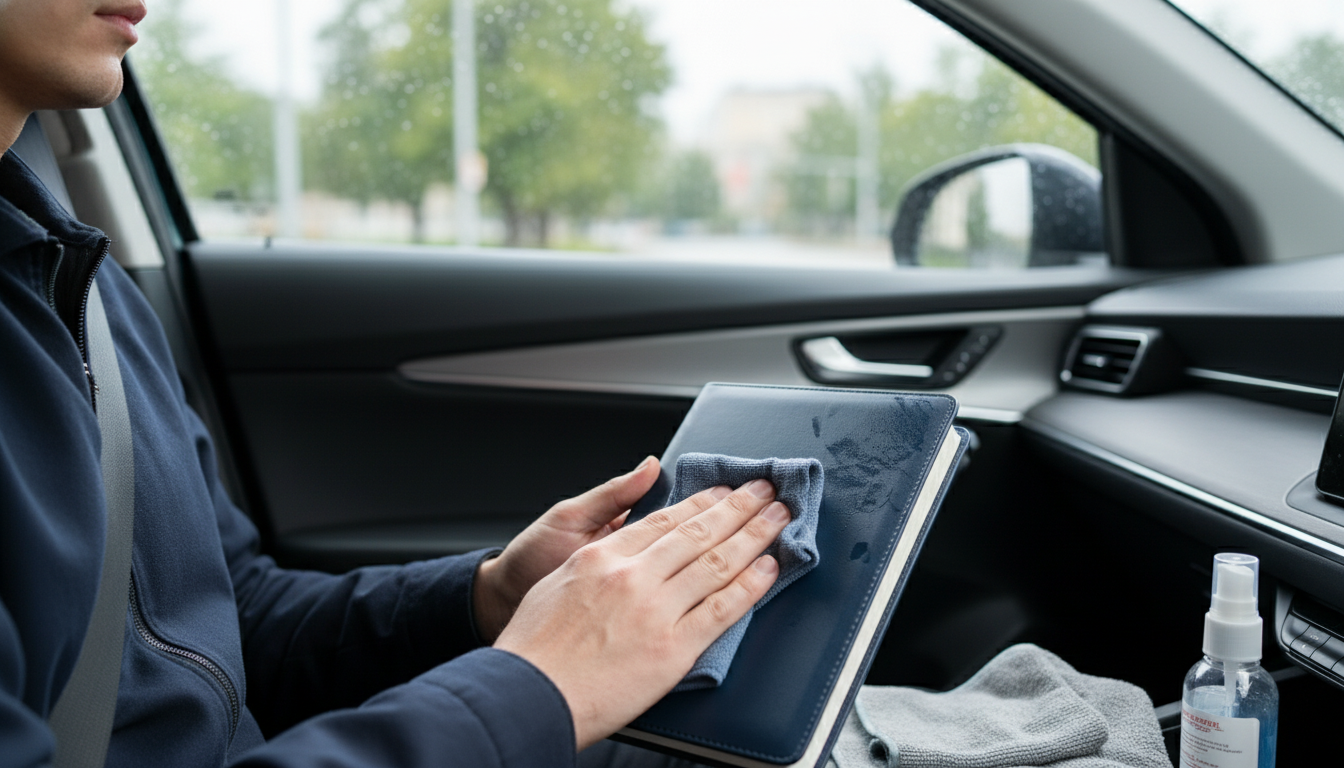
Blot (don’t rub) with a soft cloth, wipe with a slightly damp cloth if needed, then air-dry at room temperature. Keep it away from hair dryers, heaters, and direct sunlight to reduce the chance of warping or peeling.







Leave a comment