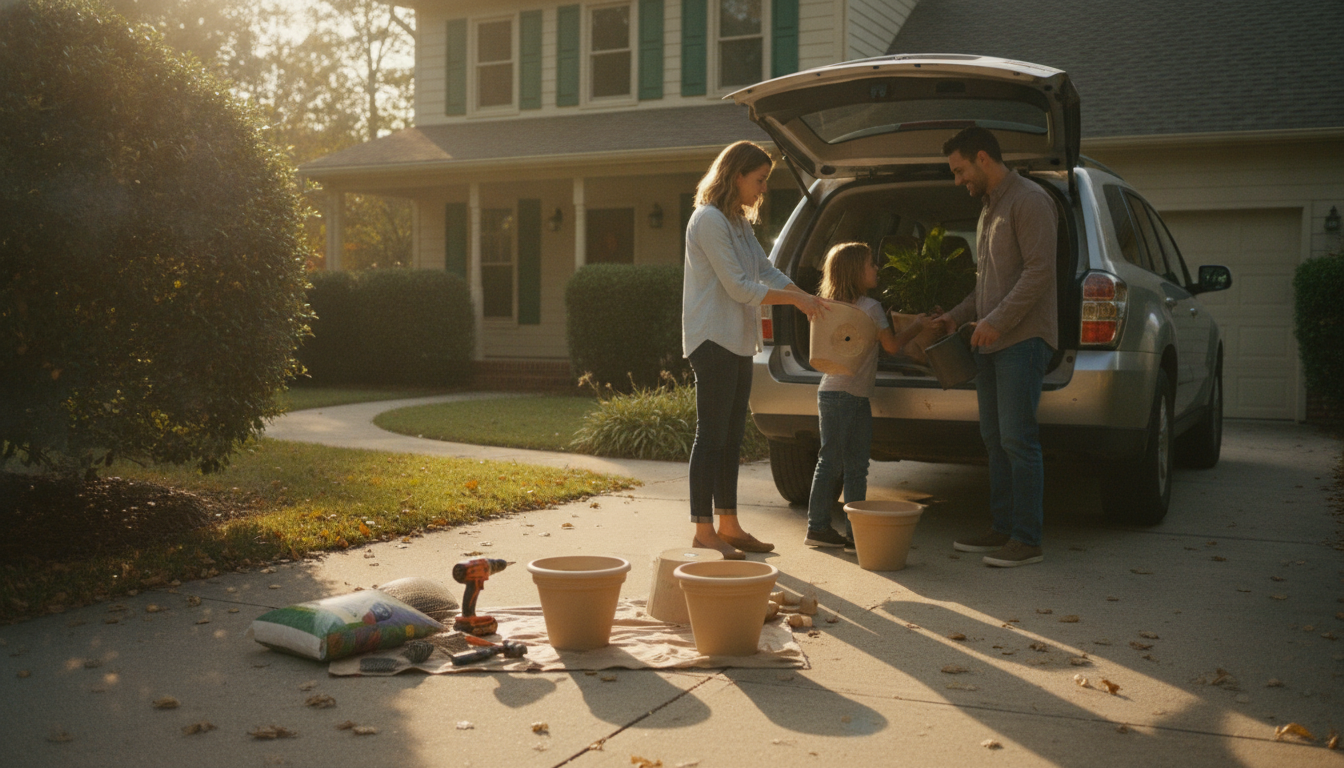
Ceramic pots without drainage holes can still work beautifully—you just need a way for excess water to move away from the roots. The simplest approach is to build a drainage layer and treat the pot like a decorative “cachepot” that holds a separate, drainable nursery pot. That keeps the look of ceramic while reducing the risk of soggy soil and root rot.
Choose a plastic nursery pot (or any inner pot) with drainage holes that fits inside your ceramic planter. Add a thin layer of pebbles or a small riser at the bottom of the ceramic pot so the inner pot isn’t sitting in runoff. Water the plant until it drains, then let it finish dripping before placing it back inside the ceramic pot. This method gives you true drainage without drilling and makes watering more forgiving.
If you want to plant directly into the ceramic pot, add a “false bottom” so water has somewhere to go. Start with 1–2 inches of drainage material (leca/clay pebbles, gravel, or pumice). Lay a piece of mesh screen or landscape fabric over that layer to keep potting mix from sifting down. Then add potting mix and plant. When watering, go slowly and stop as soon as the top few inches are evenly moist—there’s no exit hole, so overwatering still accumulates at the bottom.
If the ceramic is not labeled as “no-drill,” you can add a hole using a diamond-tipped drill bit, painter’s tape, and a steady stream of water to keep the bit cool. Drill slowly with light pressure, starting at an angle to prevent skating, then level out. Once you have a hole, use a saucer and a mesh screen inside the pot as you would with any standard planter.
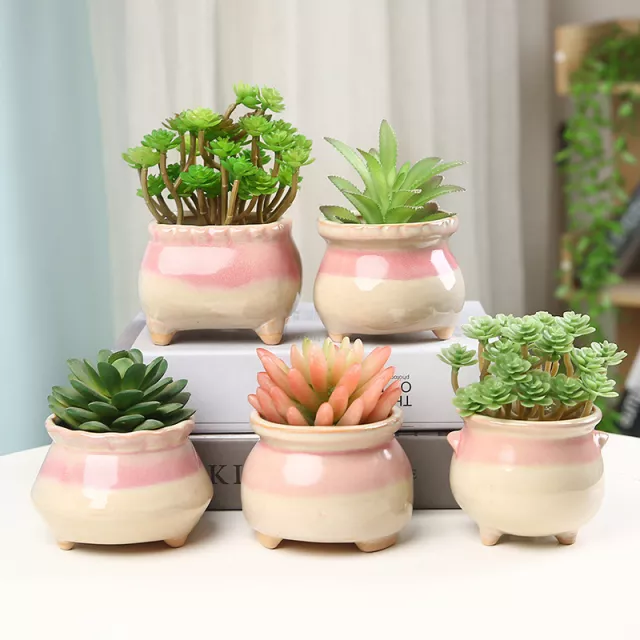
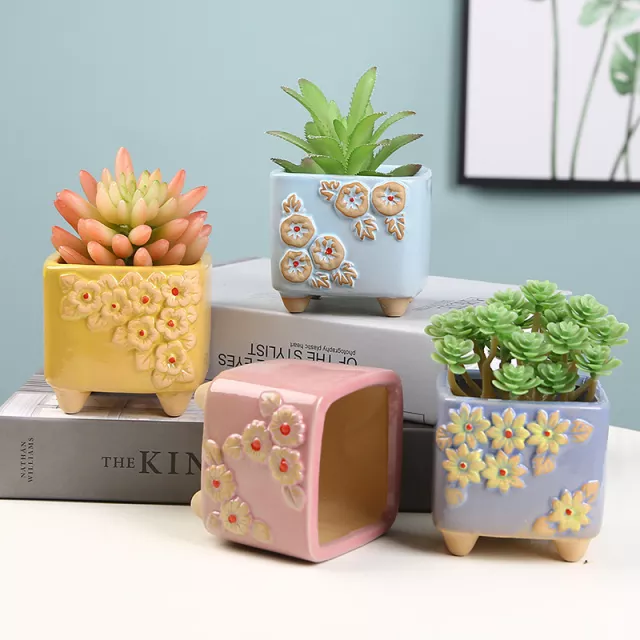
For styling ideas that pair especially well with soft-toned ceramic planters, visit this guide to styling a soft pink ceramic flowerpot set.
Drought-tolerant plants like succulents can work if watering is very controlled, but most houseplants do best when grown in a drainable inner pot placed inside the ceramic container.








Leave a comment